Technology Privacy

10 VPN Alternatives You Should Know

admin
4.9
April 02, 2026

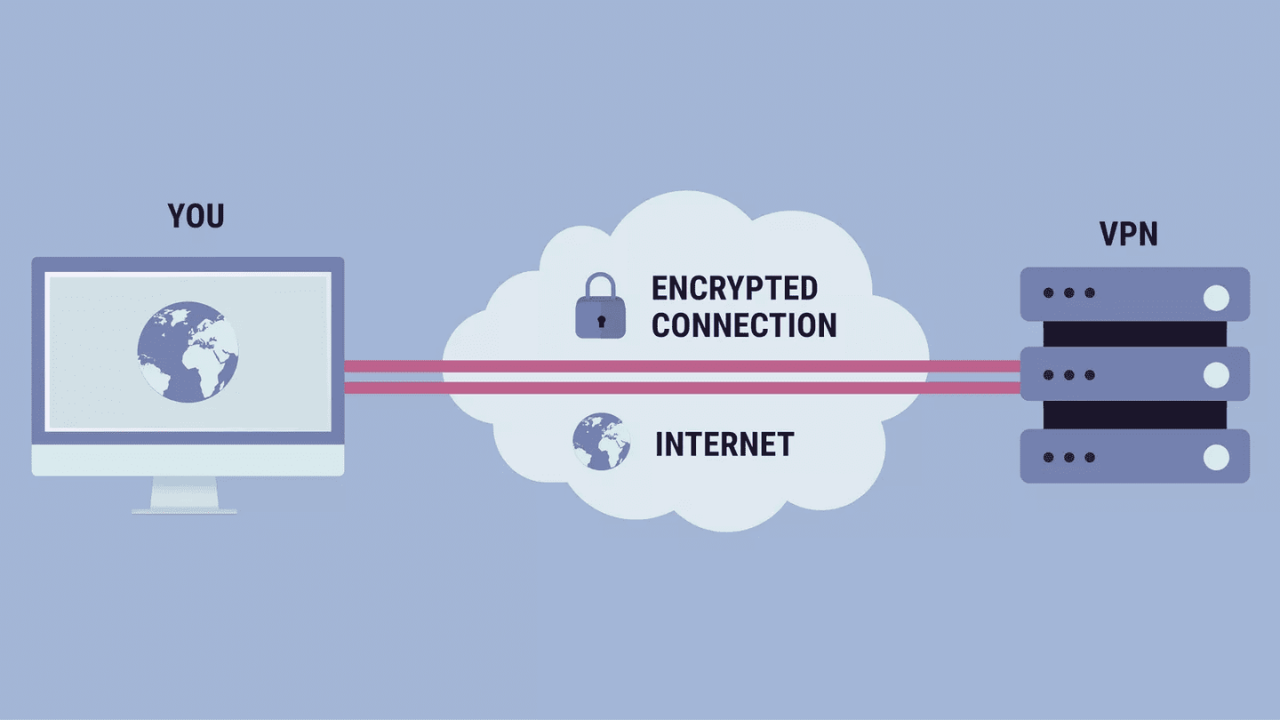
As concerns about online privacy, data security, and unrestricted internet access continue to grow, Virtual Private Networks (VPNs) have become a common solution. However, they are not the only option available. A range of emerging technologies and alternative tools now offer different ways to secure connections, enhance privacy, or bypass restrictions, often with unique advantages.


1
Why VPN Alternatives Are Gaining Attention?
© Shutterstock/ Miha Creative

Why VPN Alternatives Are Gaining Attention?

These alternatives are becoming increasingly relevant in today’s digital landscape, where businesses and individuals seek more flexible, efficient, and transparent solutions. From decentralized networks to encrypted proxies, these tools reflect the latest tech trends shaping the future of technology. Understanding them can help users choose the right approach for their needs, whether for personal browsing, enterprise security, or global communication.  

2
 Proxy Servers
© Wikipedia

Proxy Servers

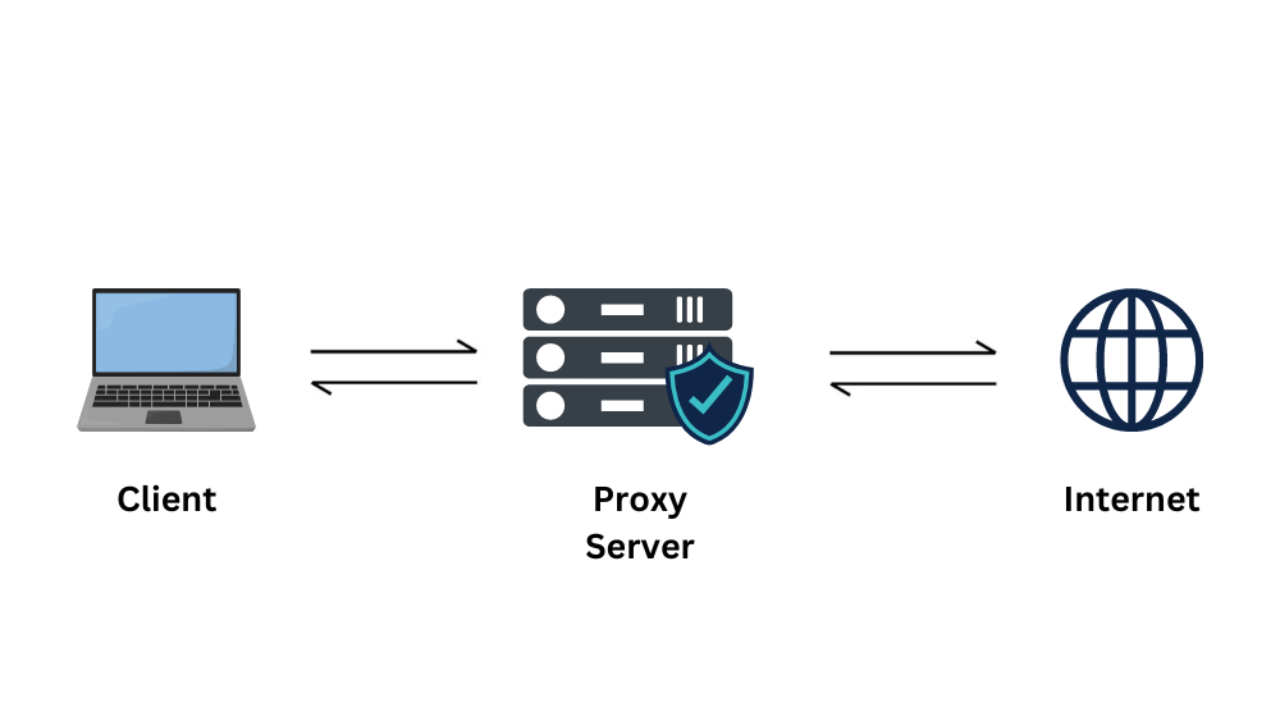
Proxy servers act as intermediaries between your device and the internet, masking your IP address and routing traffic through another server. Unlike VPNs, they typically work at the application level rather than encrypting all network traffic. They are commonly used for accessing geo-restricted content and managing network usage in organizations.

Primary Use Case: Anonymous browsing and content access
Industries Using It: IT, education, corporate networks
Key Benefit: Simple and fast to set up
Limitations: Limited encryption and weaker privacy protection  

3
Tor (The Onion Router)
© Wikipedia

Tor (The Onion Router)

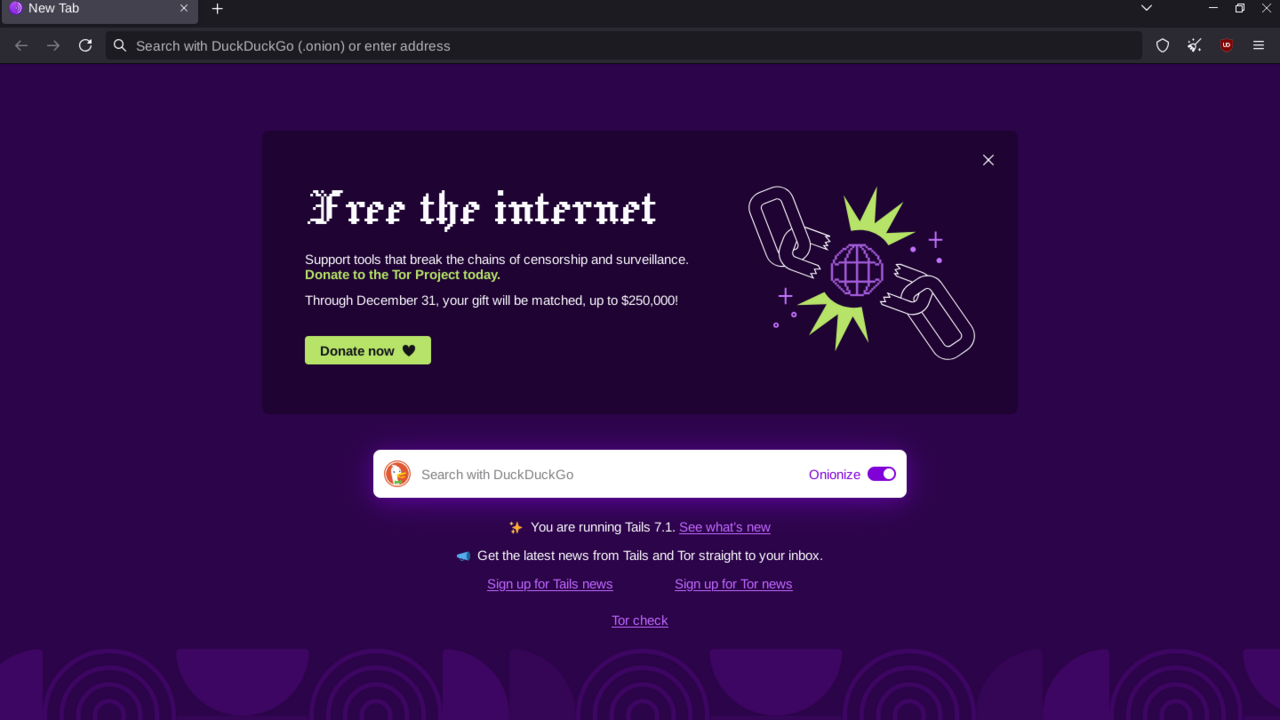
Tor is a decentralized network that routes internet traffic through multiple volunteer-operated nodes, encrypting data at each step. This layered encryption makes it difficult to trace user activity. It is widely used by privacy-conscious individuals and journalists.

Primary Use Case: High-level anonymity
Industries Using It: Journalism, activism, cybersecurity
Key Benefit: Strong privacy and anonymity
Limitations: Slower speeds and potential access restrictions  

4
 Zero Trust Network Access (ZTNA)
© Wikipedia

Zero Trust Network Access (ZTNA)

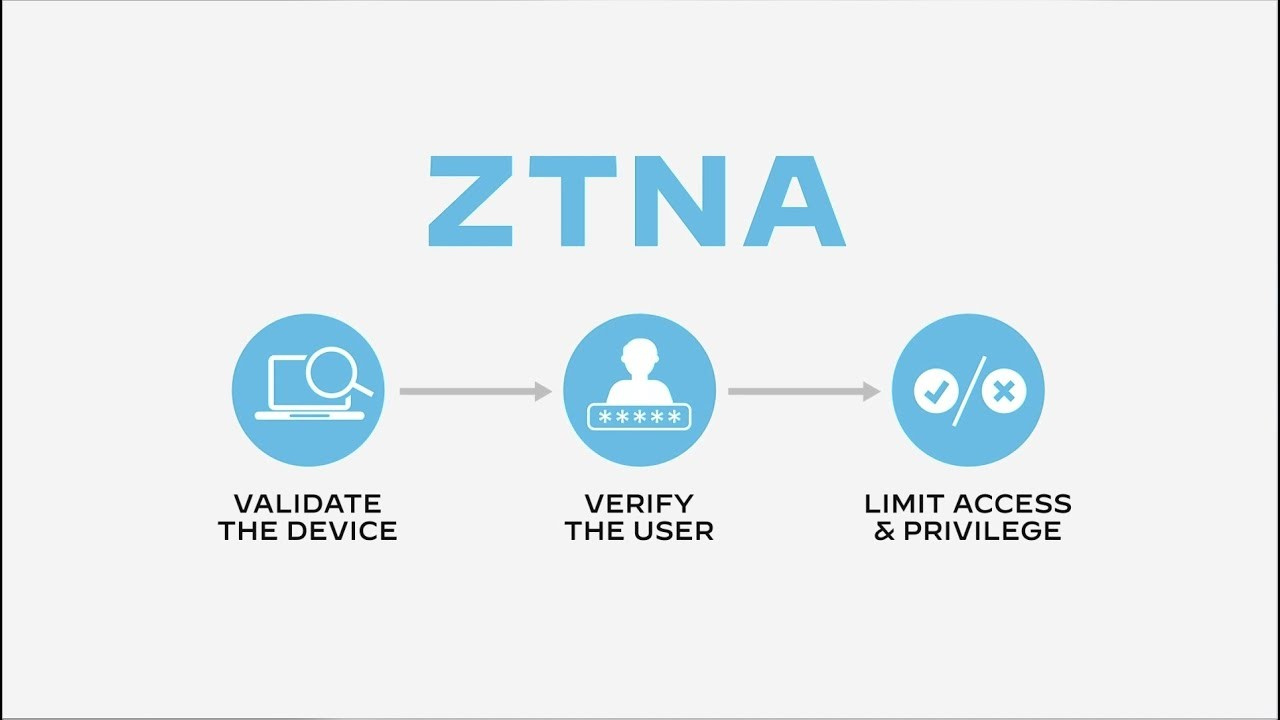
ZTNA is a modern security framework that replaces traditional VPN-based access with strict identity verification. It ensures that users only access specific resources after authentication, rather than granting full network access.

Primary Use Case: Secure remote access
Industries Using It: Enterprise IT, finance, healthcare
Key Benefit: Enhanced security through granular control
Limitations: Complex implementation  

5
 Secure Access Service Edge (SASE)
© Wikipedia

Secure Access Service Edge (SASE)

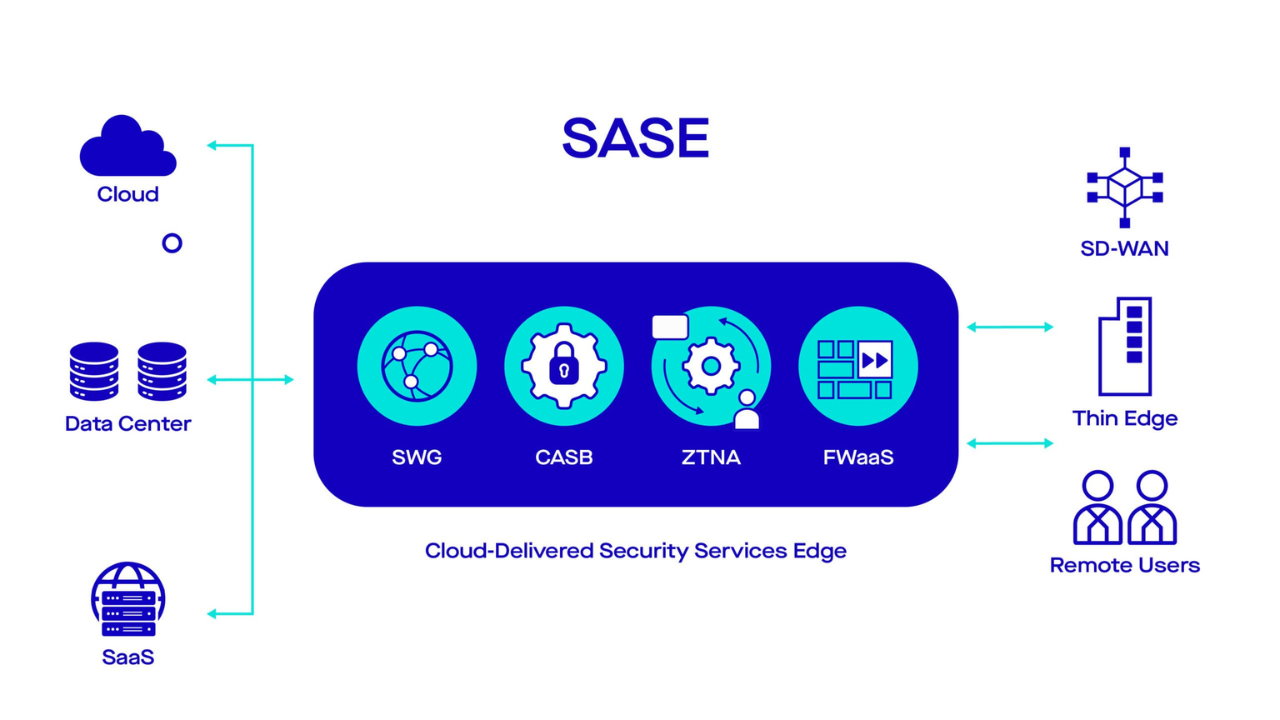
SASE combines networking and security services into a cloud-based model. It integrates features like secure web gateways, firewalls, and identity management, offering a scalable alternative to VPNs for distributed teams.

Primary Use Case: Cloud-based network security
Industries Using It: Large enterprises, SaaS providers
Key Benefit: Centralized and scalable security
Limitations: Requires reliable cloud infrastructure

6
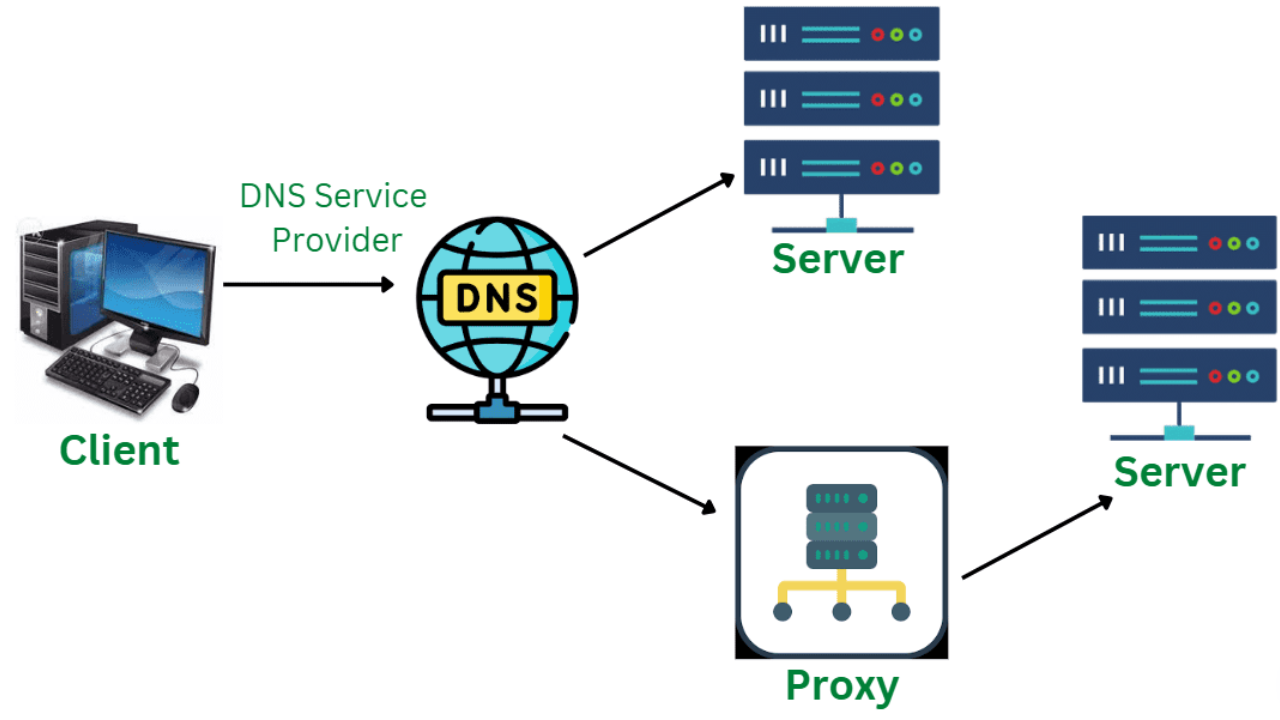
Smart DNS
© Wikipedia

Smart DNS

Smart DNS reroutes only specific parts of your internet traffic (like DNS queries) to bypass geographic restrictions. Unlike VPNs, it does not encrypt traffic, which allows for faster streaming speeds.

Primary Use Case: Accessing geo-blocked content
Industries Using It: Media, entertainment
Key Benefit: Faster speeds than VPNs
Limitations: No encryption or full privacy protection

7
Decentralized VPNs (dVPNs)
© Wikipedia

Decentralized VPNs (dVPNs)

Decentralized VPNs use blockchain-based or peer-to-peer networks instead of centralized servers. This reduces reliance on a single provider and enhances transparency. Users often share bandwidth in exchange for incentives.

Primary Use Case: Privacy-focused browsing
Industries Using It: Blockchain, cybersecurity
Key Benefit: No central authority or single point of failure
Limitations: Still evolving and less user-friendly

8
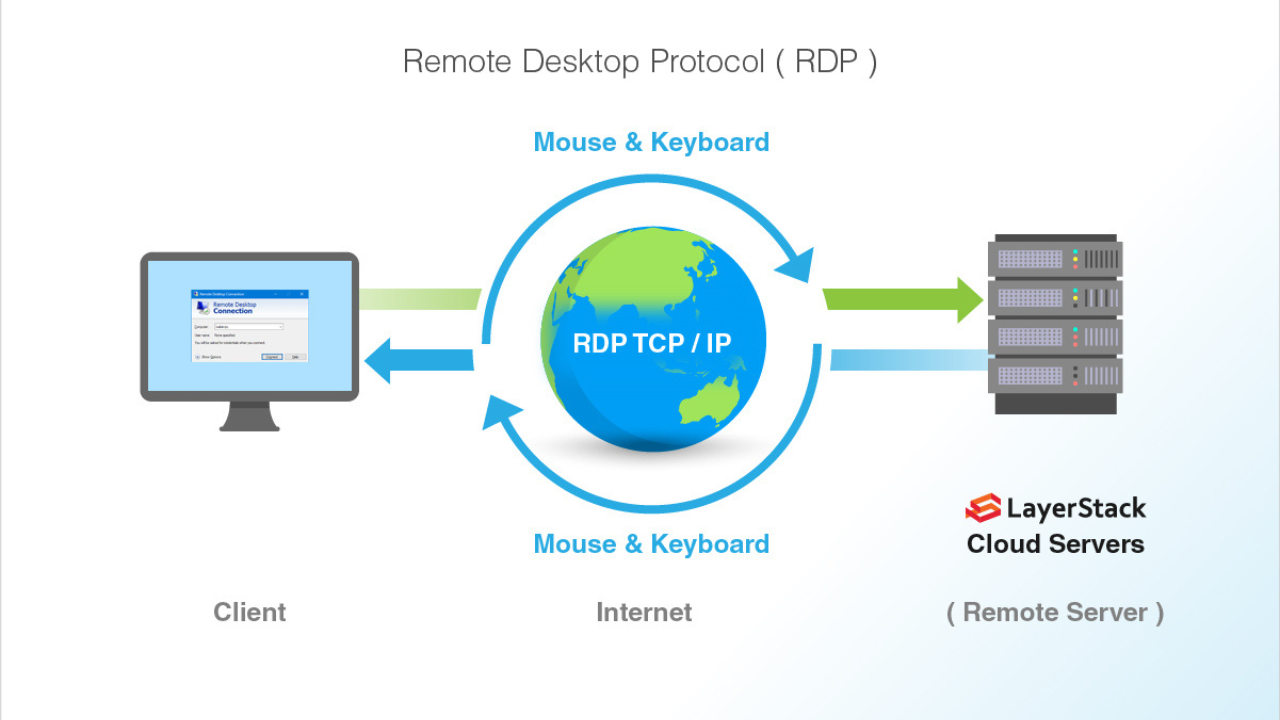
Remote Desktop Protocol (RDP) Gateways
© Wikipedia

Remote Desktop Protocol (RDP) Gateways

RDP gateways allow users to securely access a remote computer or network without needing a full VPN. They are commonly used in corporate environments to provide controlled access to internal systems.

Primary Use Case: Remote system access
Industries Using It: IT services, enterprises
Key Benefit: Direct access to specific resources
Limitations: Requires proper configuration for security  

9
Cloudflare Warp
© Wikipedia

Cloudflare Warp

Cloudflare Warp is a modern alternative that encrypts internet traffic and optimizes routing using a global network. It focuses on improving speed and security without the complexity of traditional VPN setups.

Primary Use Case: Secure and faster browsing
Industries Using It: General consumers, tech companies
Key Benefit: Improved performance and encryption
Limitations: Limited customization compared to VPNs  

10
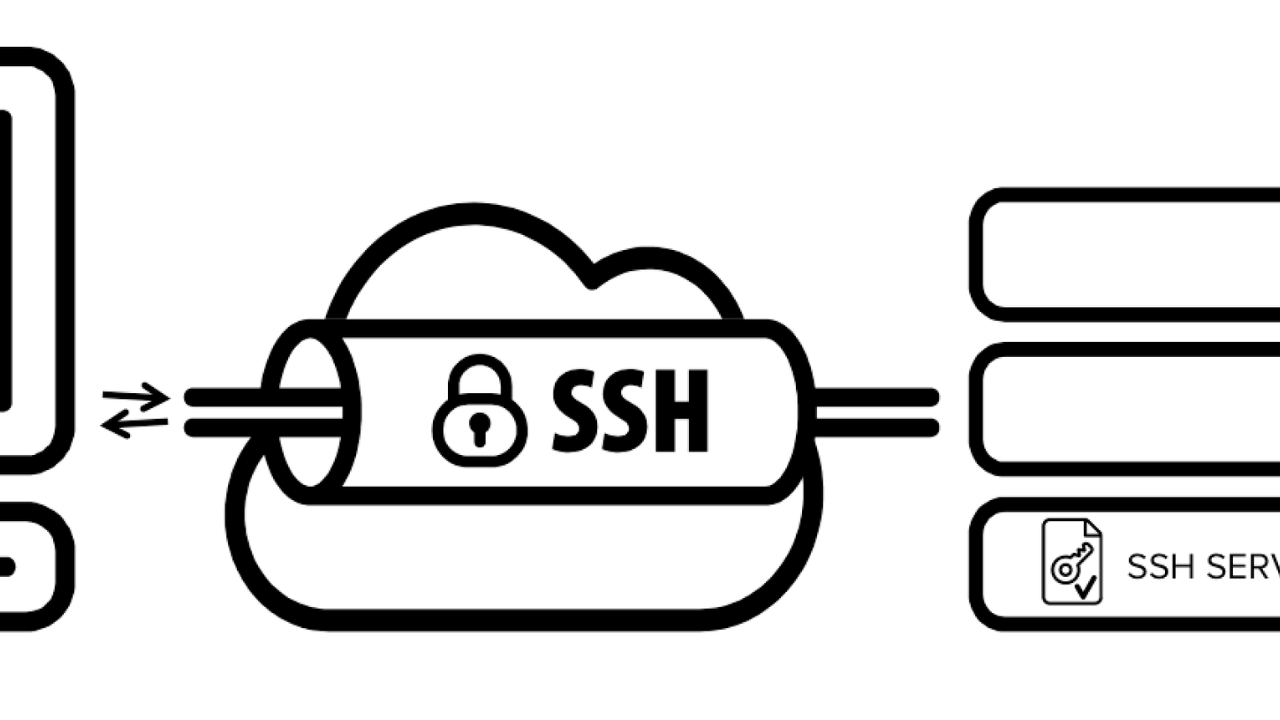
 SSH Tunneling
© Wikipedia

SSH Tunneling

SSH tunneling creates a secure encrypted connection between a user and a remote server. It is often used by developers and IT professionals to securely transmit data or bypass restrictions.

Primary Use Case: Secure data transfer
Industries Using It: Software development, IT
Key Benefit: Strong encryption and flexibility
Limitations: Requires technical knowledge

11
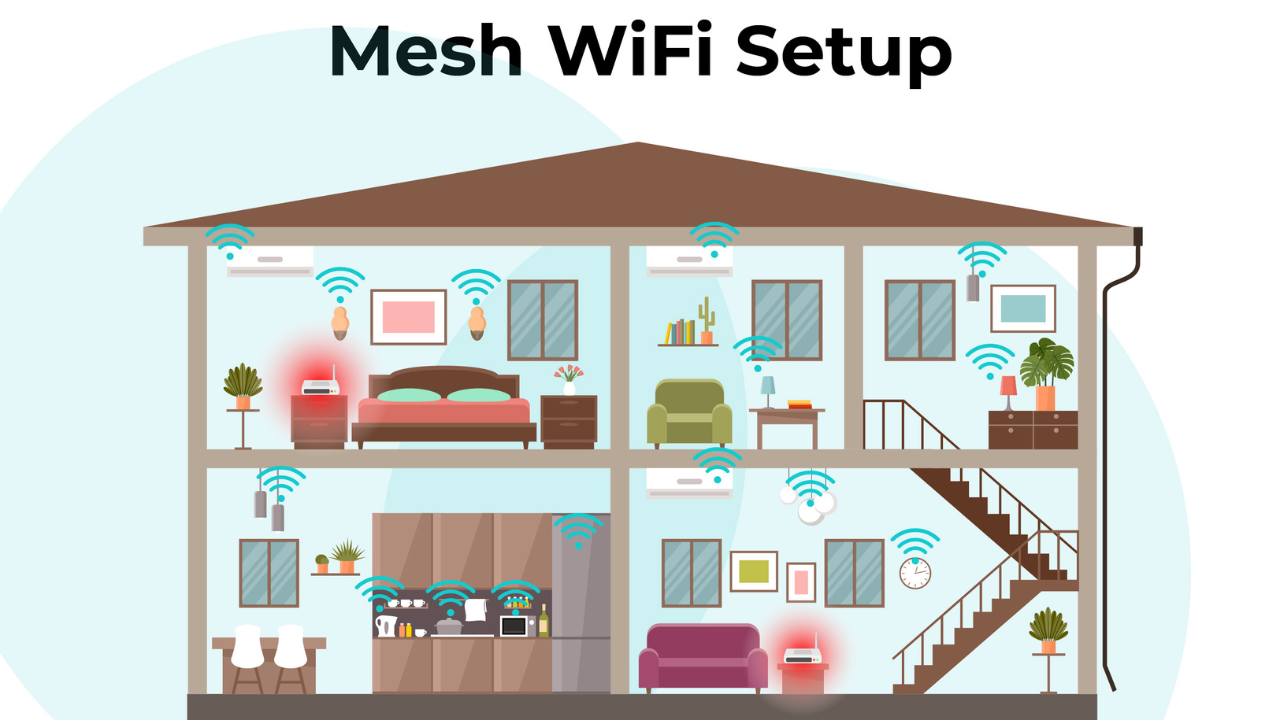
Mesh Networks
© Wikipedia

Mesh Networks

Mesh networks connect devices directly to each other, forming a decentralized communication system. This approach can bypass traditional internet infrastructure and reduce reliance on centralized services.

Primary Use Case: Decentralized communication
Industries Using It: Disaster recovery, IoT, smart cities
Key Benefit: Resilient and self-healing networks
Limitations: Limited scalability and adoption  


Comments (0)

Leave a Reply

No comments yet. Be the first to share your thoughts!