Technology Top Gadgets

Best Gadgets in 2026 That Will Change Your Daily Life

Diane Holbrook
4.6
April 01, 2026

Isn’t it amazing how rapidly technology is evolving, revolutionizing the way we work, connect, and manage our everyday lives? By 2026, we can expect to see exciting innovations transitioning from labs to practical use in our daily routines! Think about AI-powered assistants and cutting-edge wearable devices, these advancements focus on enhancing efficiency, automating tasks, personalizing experiences, and promoting sustainability.

These remarkable changes are not only making our lives easier but also reshaping vital sectors like healthcare, education, finance, and entertainment. Businesses are embracing smarter solutions to cut costs, while individuals enjoy greater productivity and control over their digital experiences. Gaining a solid understanding of these transformative technologies is key for anyone looking to thrive in our increasingly interconnected and intelligent world.
1
1. AI Smart Glasses
© Shutterstock/ Yuganov Konstantin

1. AI Smart Glasses

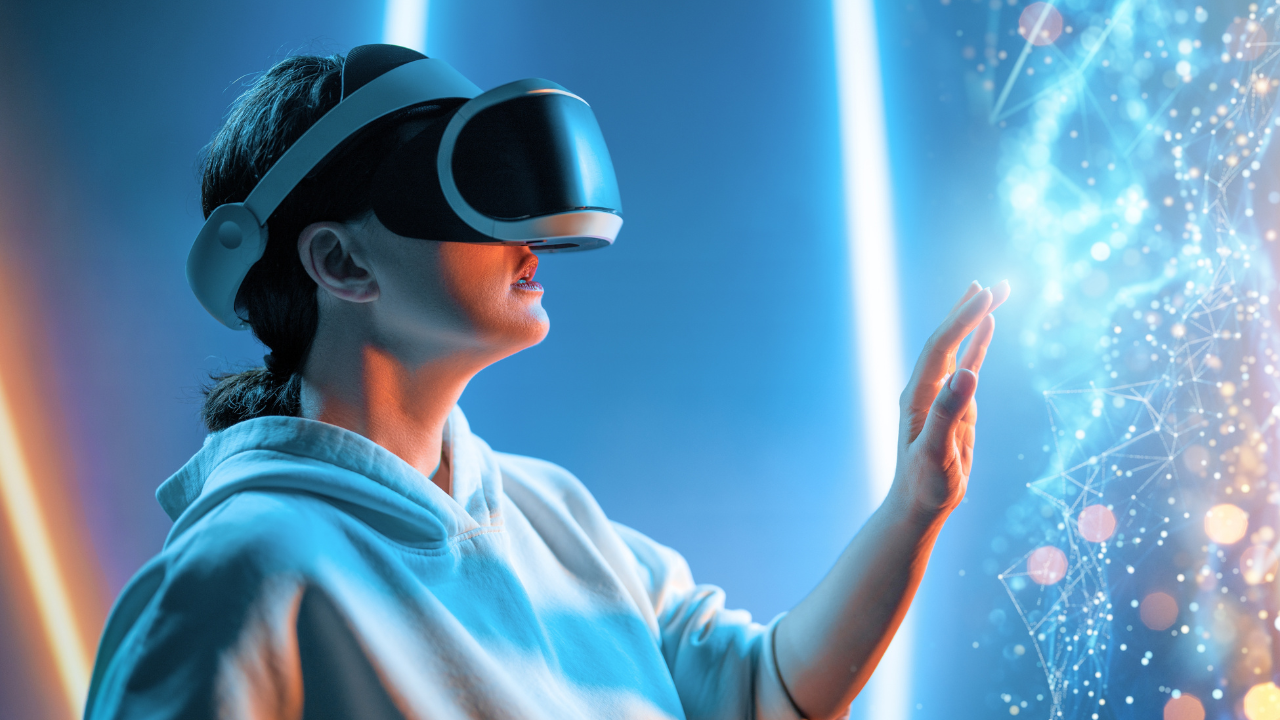
AI smart glasses are one of the most promising emerging technologies, blending augmented reality with artificial intelligence. These wearable devices overlay digital information onto the real world, allowing users to access navigation, notifications, translations, and even real-time object recognition. Powered by AI models, they can interpret surroundings and provide contextual insights without needing a phone. They are becoming more lightweight, stylish, and practical for everyday use.

Primary Use Case: Real-time information access and augmented assistance
Industries Using It: Healthcare, logistics, education, retail
Key Benefit: Hands-free, context-aware computing
Limitations: Privacy concerns and battery limitations

2
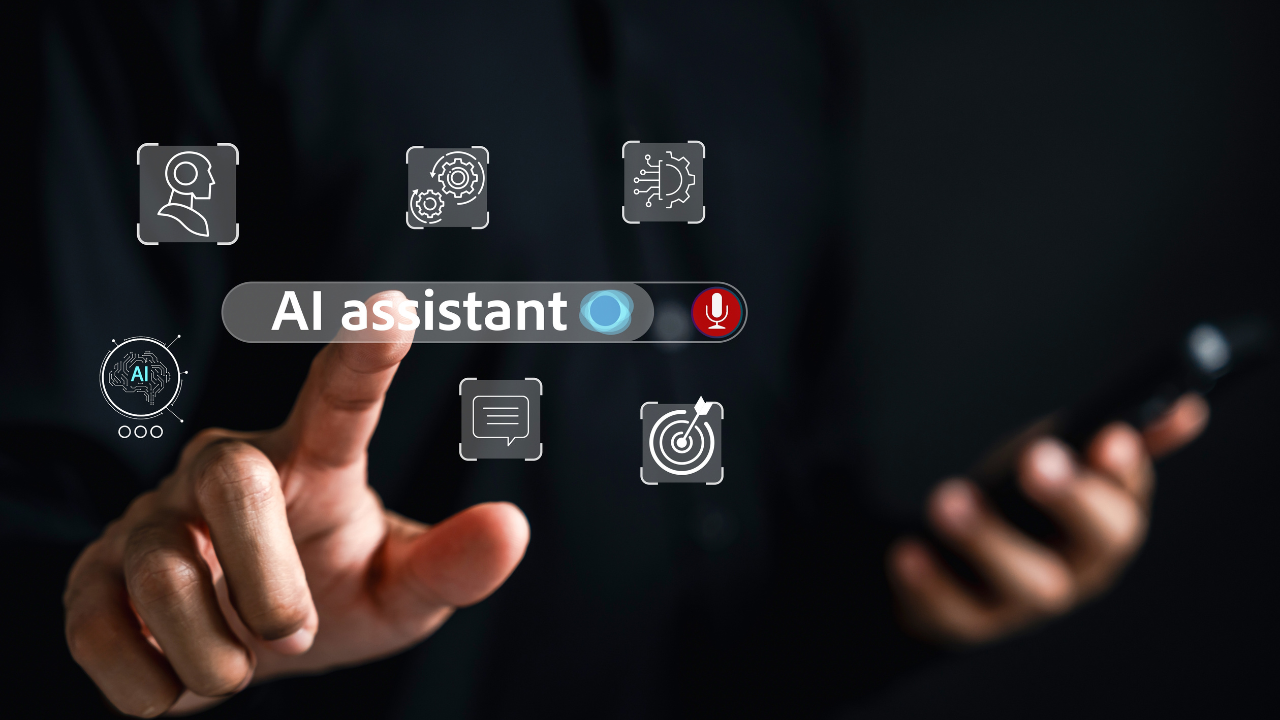
2. AI Personal Assistants (Next-Gen)
© Stutterstock/ MMD Creative

2. AI Personal Assistants (Next-Gen)

Next-generation AI personal assistants go beyond basic voice commands. These tools can schedule meetings, analyze emails, generate content, and even perform complex tasks across multiple apps. They learn user preferences and improve over time using machine learning algorithms. By integrating deeply with devices and services, they act as proactive digital managers.

Primary Use Case: Task automation and personal productivity
Industries Using It: Business, education, customer support
Key Benefit: Saves time through automation
Limitations: Dependence on data and privacy concerns  

3
3. Smart Home Hubs with AI Integration
© Stutterstock/ Andrew Angelov

3. Smart Home Hubs with AI Integration

Smart home hubs have evolved into intelligent systems that manage lighting, security, energy usage, and appliances. With AI integration, these devices can learn daily routines and optimize home environments automatically. They connect with IoT devices to create a seamless and energy-efficient living space.

Primary Use Case: Home automation and energy management
Industries Using It: Residential tech, real estate
Key Benefit: Improved comfort and energy efficiency
Limitations: Compatibility issues across devices

4
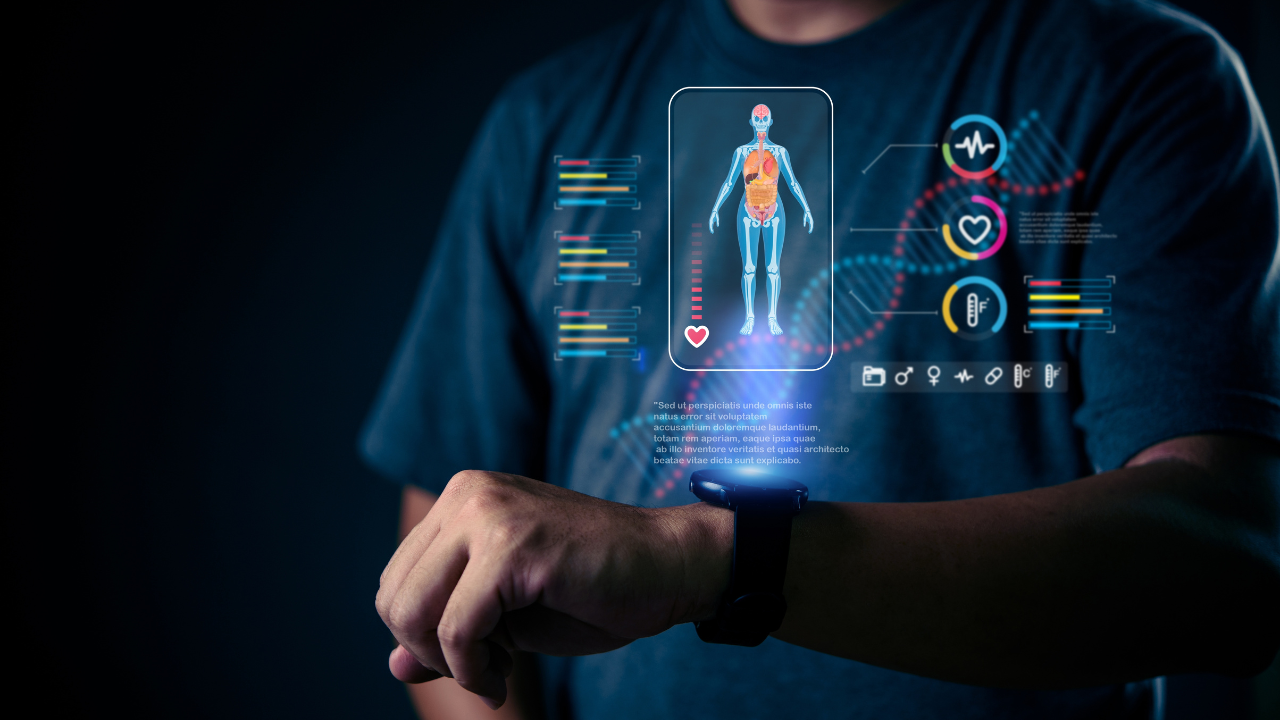
4. Wearable Health Monitors
© Stutterstock/ khunkornStudio

4. Wearable Health Monitors

Advanced wearable health gadgets now monitor heart rate, oxygen levels, stress, sleep patterns, and even early disease indicators. These devices use sensors and AI to provide real-time health insights and alerts. They are increasingly being used for preventive healthcare rather than just fitness tracking.

Primary Use Case: Health monitoring and early diagnosis
Industries Using It: Healthcare, fitness, insurance
Key Benefit: Early detection of health issues
Limitations: Accuracy and medical certification concerns  

5
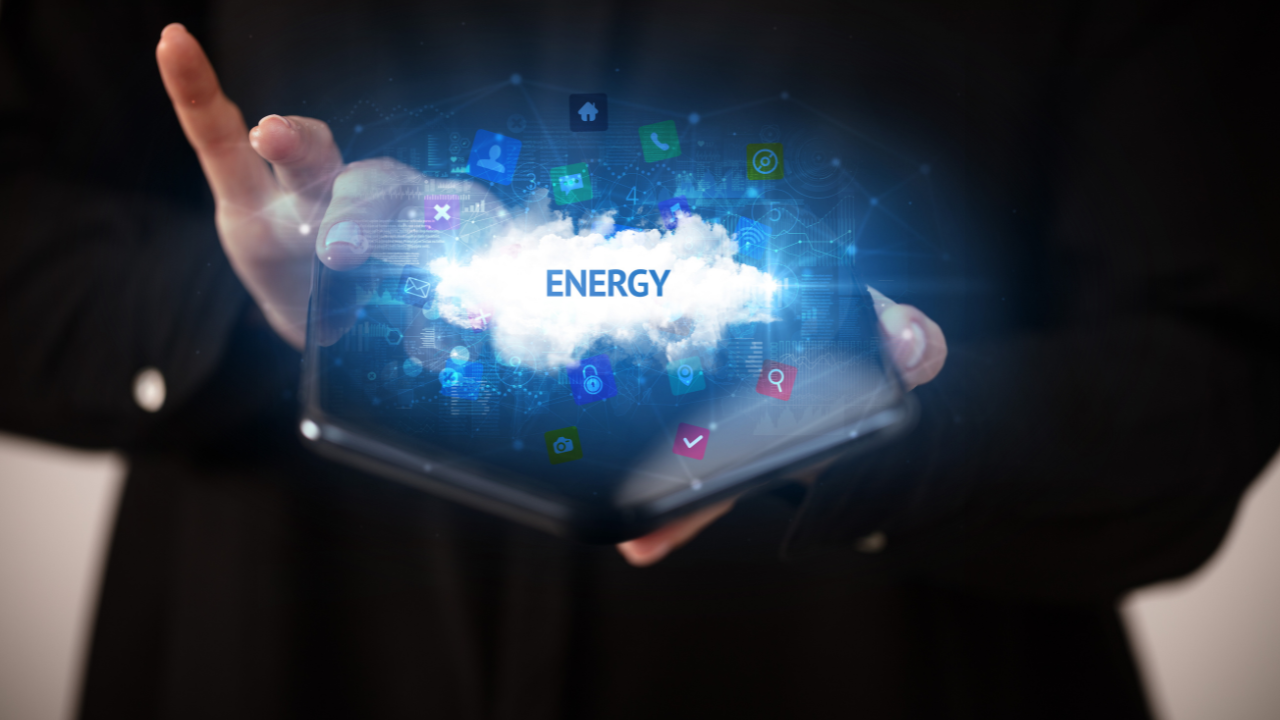
5. Foldable and Rollable Displays
© Stutterstock/ ESB Basic

5. Foldable and Rollable Displays

Foldable and rollable display technology is redefining screen flexibility. These gadgets allow users to expand or shrink screens based on need, offering portability without sacrificing screen size. Using advanced OLED materials, they are becoming more durable and practical.

Primary Use Case: Portable large-screen computing
Industries Using It: Consumer electronics, design, entertainment
Key Benefit: Space-saving and versatile displays
Limitations: Durability and high cost

6
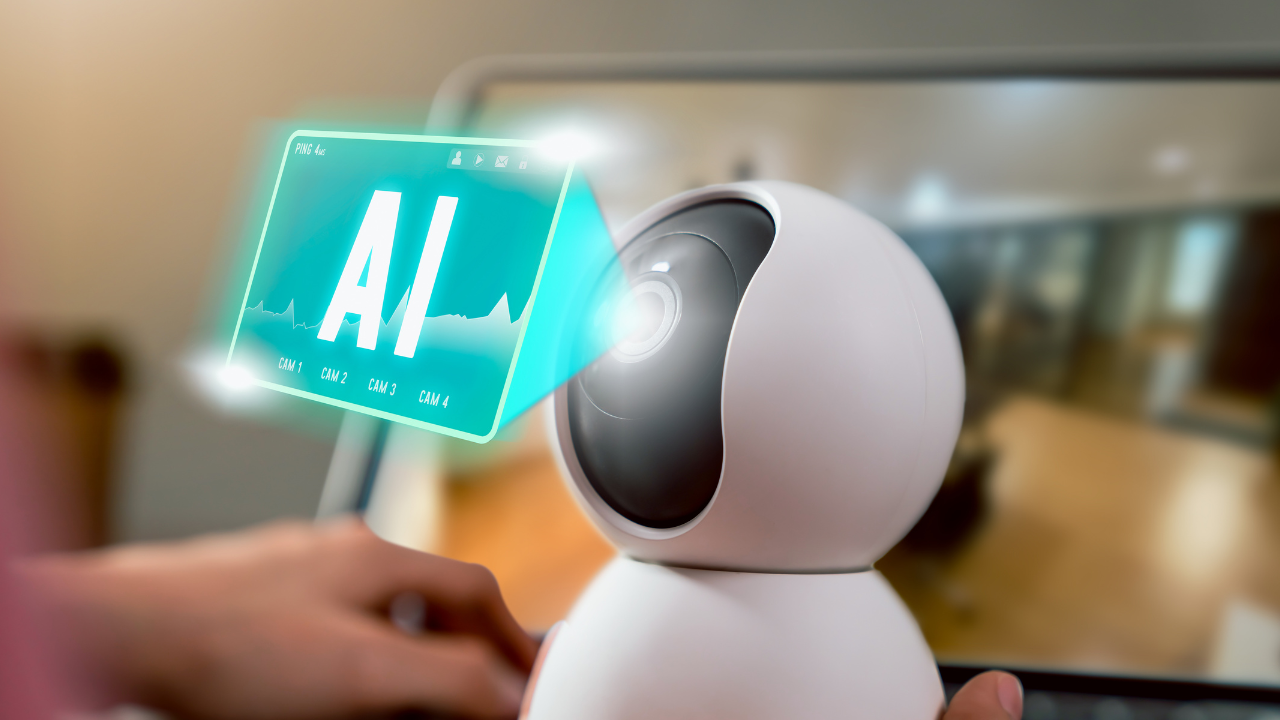
6. AI-Powered Cameras and Drones
© Stutterstock/ sitthiphong

6. AI-Powered Cameras and Drones

Cameras and drones in 2026 are equipped with AI that enhances image quality, tracks subjects, and automates shooting processes. Drones can perform inspections, deliver goods, and capture professional-level footage without manual control.

Primary Use Case: Smart imaging and automation
Industries Using It: Media, agriculture, logistics, surveillance
Key Benefit: High-quality, automated visual capture
Limitations: Regulatory restrictions and battery life

7
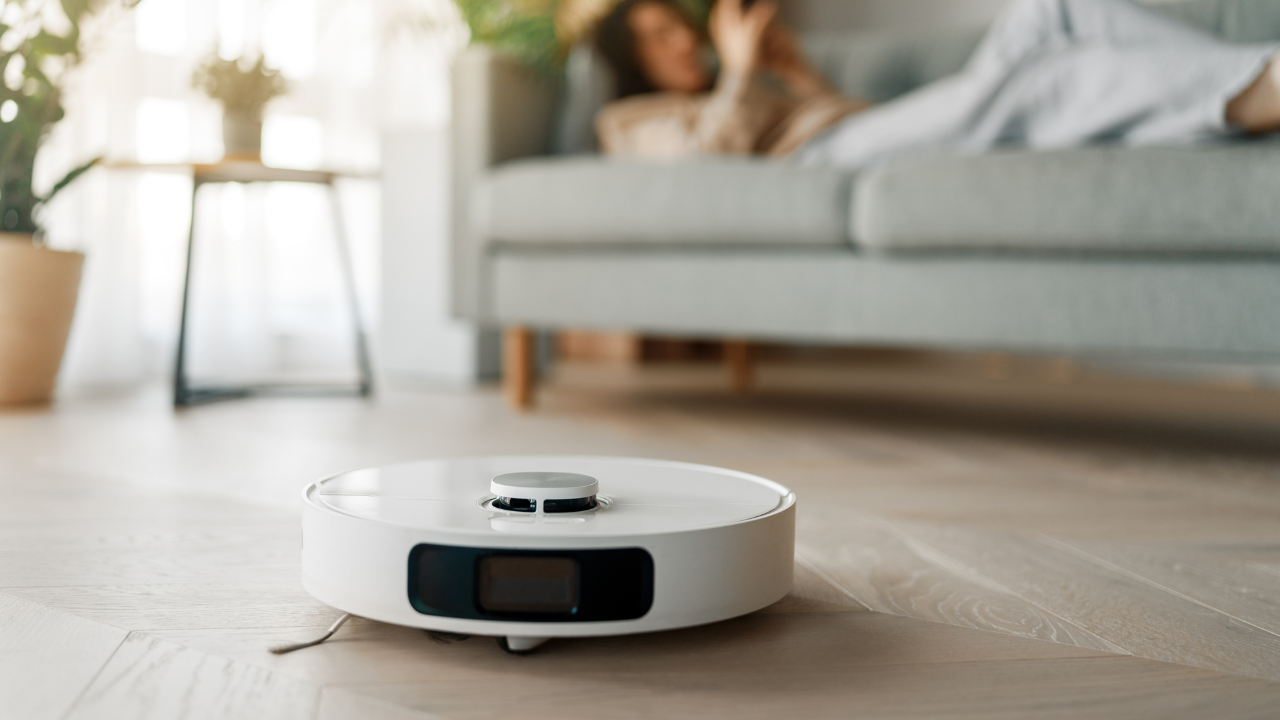
7. Personal Robotics Assistants
© Stutterstock/ Yuganov Konstantin

7. Personal Robotics Assistants

Personal robots are becoming more accessible and capable of performing everyday tasks like cleaning, assisting elderly individuals, and managing home routines. They use AI and sensors to navigate environments and interact with humans naturally.

Primary Use Case: Household assistance and caregiving
Industries Using It: Healthcare, hospitality, residential
Key Benefit: Reduces manual workload
Limitations: High cost and limited adaptability

8
8. Next-Gen Wireless Charging Devices
© Stutterstock/ Lee Charlie

8. Next-Gen Wireless Charging Devices

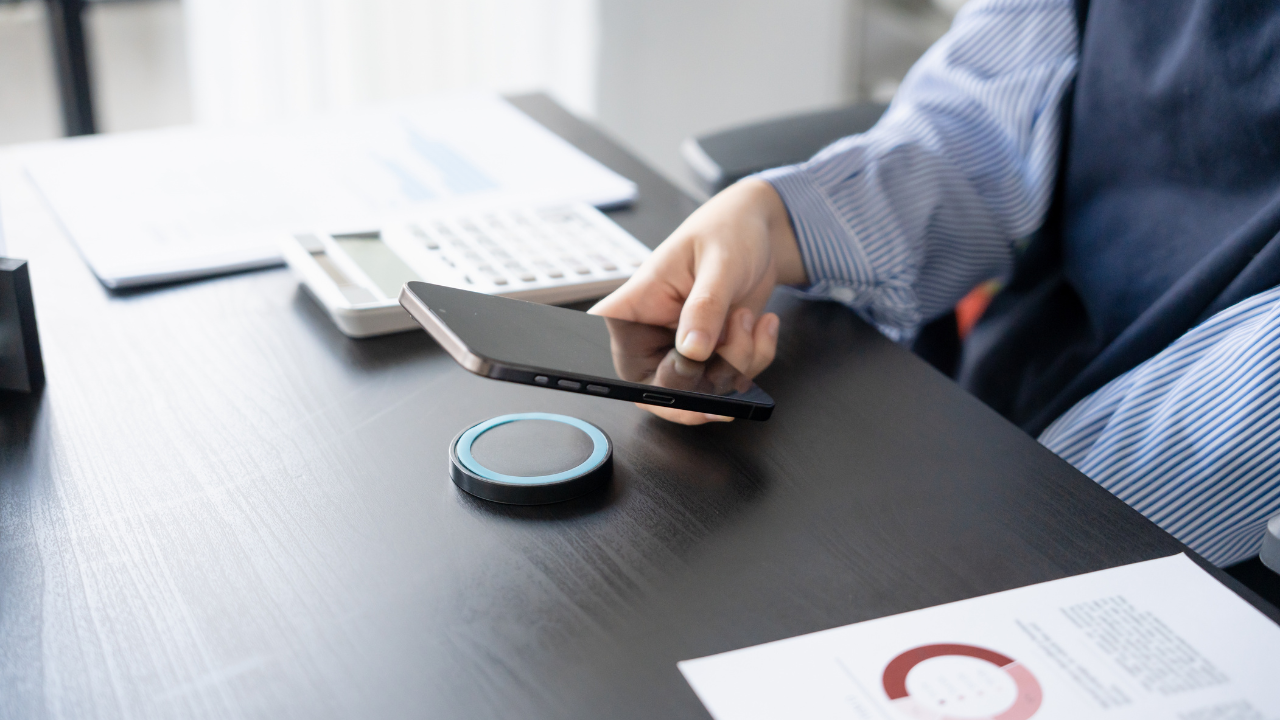
Wireless charging has evolved into long-range and faster systems that can power multiple devices simultaneously. Some technologies even allow charging within a room without direct contact with a charging pad.

Primary Use Case: Seamless device charging
Industries Using It: Consumer electronics, automotive
Key Benefit: Convenience and reduced cable usage
Limitations: Efficiency loss and limited range

9
9. AI-Powered Productivity Devices
© Stutterstock/ Summit Art Creations

9. AI-Powered Productivity Devices

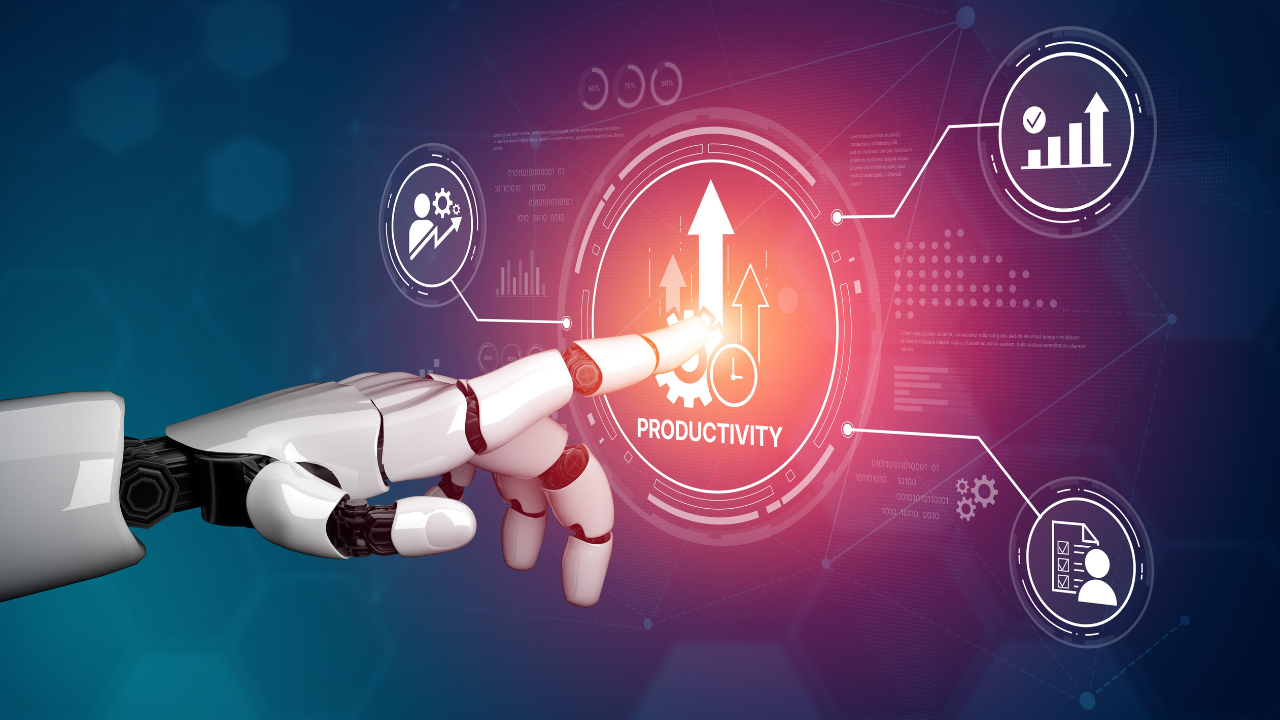
These gadgets integrate AI directly into work tools such as laptops, tablets, and software systems. They assist in writing, coding, designing, and analyzing data. By automating repetitive tasks, they significantly enhance productivity.

Primary Use Case: Work automation and efficiency
Industries Using It: Business, software development, marketing
Key Benefit: Boosts productivity and creativity
Limitations: Over-reliance on AI outputs

10
10. Sustainable Tech Gadgets

10. Sustainable Tech Gadgets

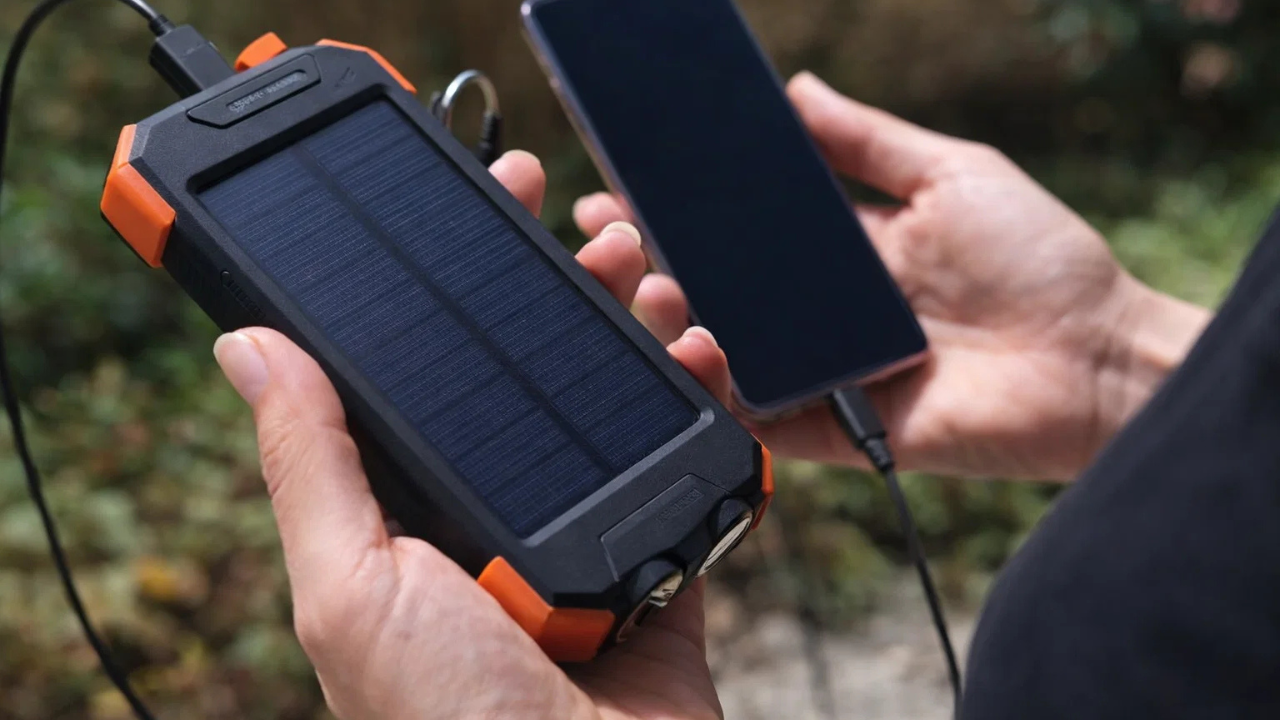
Sustainability is a major focus in the latest tech trends. Gadgets are now designed using eco-friendly materials, solar power, and energy-efficient systems. These devices aim to reduce environmental impact while maintaining performance.

Primary Use Case: Eco-friendly technology usage
Industries Using It: Consumer tech, energy, manufacturing
Key Benefit: Reduces carbon footprint
Limitations: Higher initial cost and limited availability


Comments (0)

Leave a Reply

No comments yet. Be the first to share your thoughts!