Technology Tools

Best Tools for Content Creators

admin
3.8
April 02, 2026

In today’s digital landscape, content creation is not just a trend; it’s a fundamental pillar of marketing, education, and personal branding. From influential social media personalities to driven business professionals, creators are harnessing a powerful arsenal of tools designed to streamline the production, editing, and distribution of high-quality content. As emerging technologies and the latest trends constantly reshape the environment, these tools are evolving to be smarter, faster, and more accessible than ever. To remain competitive and productive, it’s crucial to understand the top technologies that are redefining content creation. This guide delves into the most effective tools paving the way for future creators, providing you with invaluable insights into how they operate and the significant value they can add to your workflow. It’s time to take charge and elevate your content creation strategies!


1
Canva

Canva

Canva is a cloud-based design platform that allows users to create graphics, presentations, and social media visuals without advanced design skills. It works through drag-and-drop functionality and pre-designed templates, making it easy to customize visuals. It’s trending due to its accessibility and wide range of features, including AI-assisted designsuggestions. Content creators use Canva to maintain visual consistency and branding across platforms.

Primary Use Case: Graphic design and visual content

Industries Using It: Marketing, education, social media

Key Benefit: Easy-to-use interface for non-designers

Limitations: Limited advanced customization compared to professional tools  

2
Adobe Premiere Pro
© Stutterstock/ DC Studio

Adobe Premiere Pro

Adobe Premiere Pro is a professional video editing software widely used for creating high-quality video content. It allows users to edit footage, add effects, and enhance audio through a timeline-based interface. It’s a key part of emerging technologies in video production, especially for YouTube and film creators. Its integration with other Adobe tools makes it highly versatile.

Primary Use Case: Video editing

Industries Using It: Film, media, marketing

Key Benefit: Advanced editing capabilities

Limitations: Steep learning curve for beginners  


3
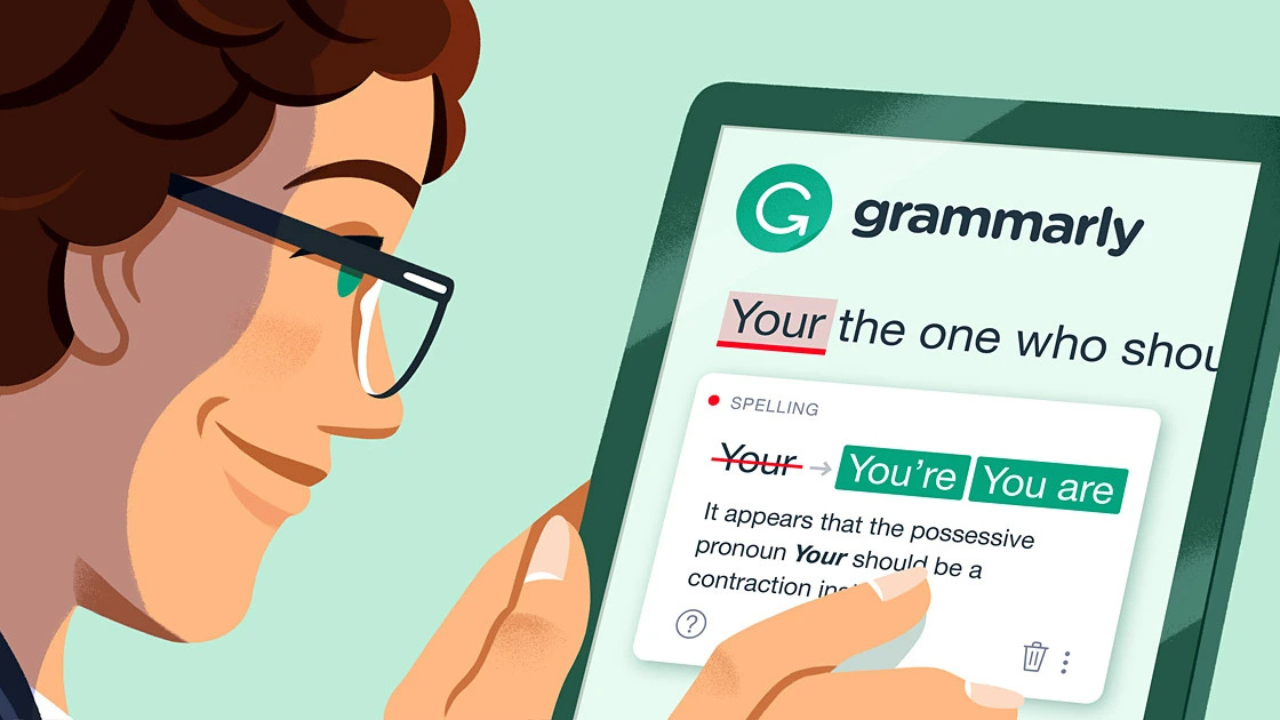
Grammarly

Grammarly

Grammarly is an AI-powered writing assistant that helps creators improve grammar, tone, and clarity. It works by analyzing text in real time and suggesting corrections and enhancements. As AI continues to evolve, it has become essential for bloggers, writers, and professionals seeking polished content.

Primary Use Case: Writing improvement

Industries Using It: Education, publishing, business

Key Benefit: Real-time feedback and suggestions

Limitations: Premium features are required for advanced insights

4
Notion

Notion

Notion is an all-in-one productivity tool that combines note-taking, project management, and collaboration. It works through customizable pages and databases, allowing creators to organize ideas, content calendars, and workflows. It’s gaining popularity as part of the future of technology in productivity tools.

Primary Use Case: Content planning and organization

Industries Using It: Startups, content marketing, education

Key Benefit: Highly customizable workspace

Limitations: Can be complex for new users

5
CapCut

CapCut

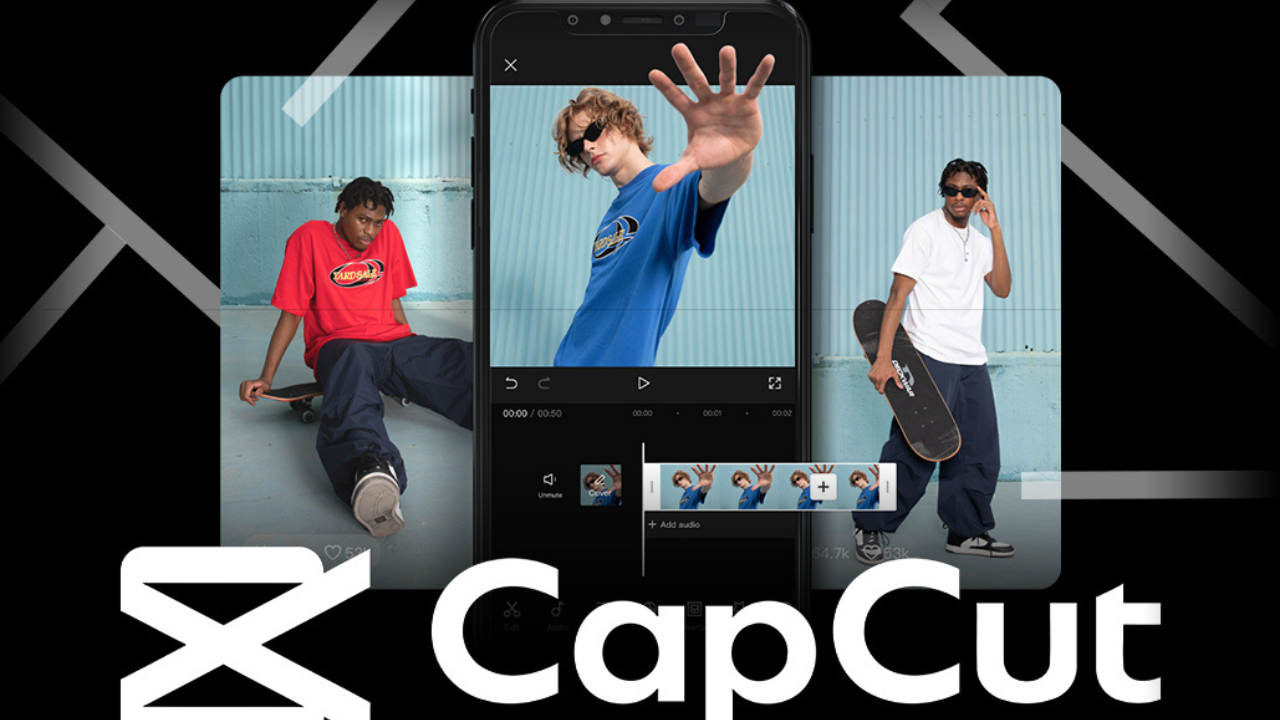
CapCut is a free video editing tool designed for creating short-form content. It offers features like transitions, filters, and AI effects, making it ideal for platforms like TikTok and Instagram. Its simplicity and mobile-first design make it one of the top technologies in social media content creation.

Primary Use Case: Short-form video editing

Industries Using It: Social media, entertainment

Key Benefit: Easy and fast editing on mobile

Limitations: Limited advanced editing features  

6
ChatGPT

ChatGPT

ChatGPT is an AI-powered language model used to generate content ideas, draft content, and brainstorm. It works by processing prompts and producing human-like text responses. It represents emerging AI technologies for content generation and is widely used by creators to save time and enhance creativity.

Primary Use Case: Content writing and ideation

Industries Using It: Marketing, blogging, education

Key Benefit: Speeds up content creation

Limitations: Requires human editing for accuracy and tone  


Comments (0)

Leave a Reply

No comments yet. Be the first to share your thoughts!