Technology Education Technology (EdTech)

How Technology Helps in Education

admin
3.8
April 03, 2026

Technology has significantly transformed the education sector, reshaping how students learn, teachers instruct, and institutions operate. From digital classrooms to intelligent tutoring systems, modern tools are making education more accessible, interactive, and efficient. In today’s fast-evolving world, understanding the role of technology is essential for both learners and educators.


1
A New Era of Learning
© Shutterstock/ vectorfusionart

A New Era of Learning

Emerging technologies are bridging gaps in access, enabling personalized learning, and supporting remote education. These advancements are not only improving academic performance but also preparing students for a digital future. As we explore the latest tech trends in education, it becomes clear that technology is no longer optional, it is a core part of modern learning systems.

2
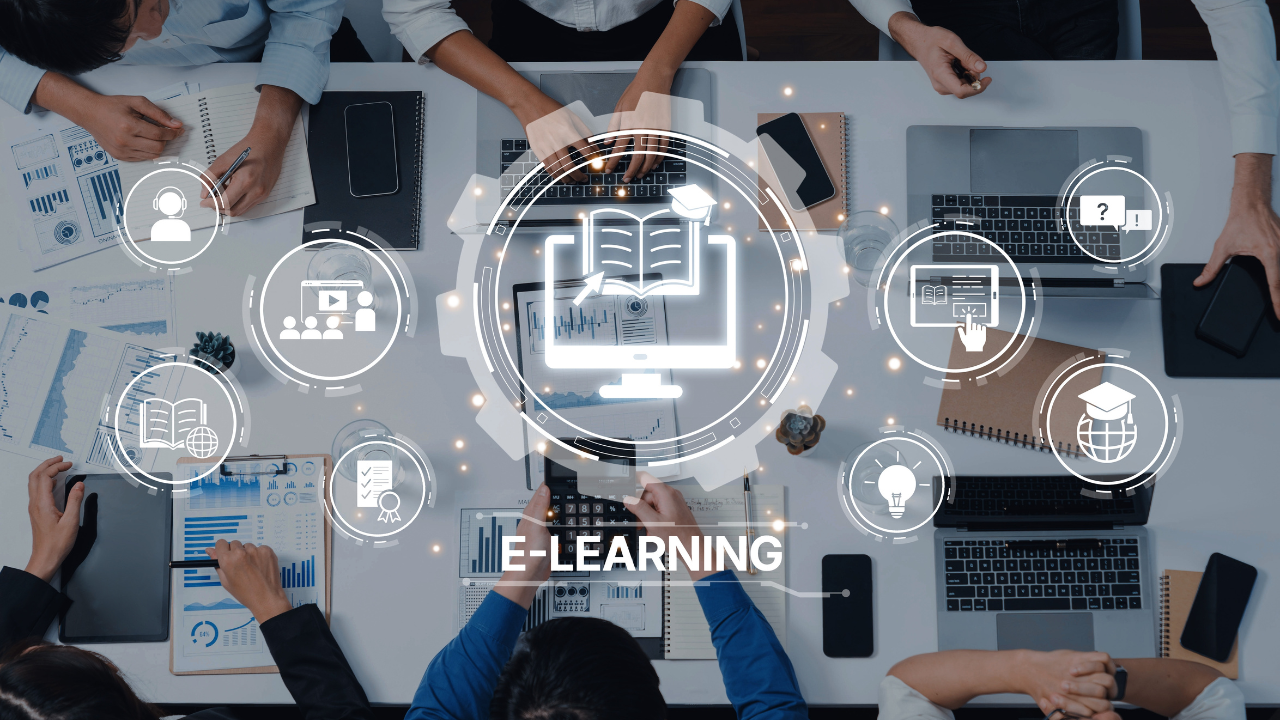
Learning Management Systems (LMS)
© Shutterstock/ Miha Creative

Learning Management Systems (LMS)

Learning Management Systems (LMS) are digital platforms that help schools and organizations manage, deliver, and track educational content. They work by centralizing course materials, assignments, assessments, and communication tools in one place. Popular LMS platforms allow teachers to upload lectures, assign tasks, and monitor student progress easily. These systems are widely used in both traditional and online learning environments, making education more organized and accessible.

Primary Use Case: Managing and delivering online courses
Industries Using It: Education, corporate training
Key Benefit: Centralized learning and progress tracking
Limitations: Requires internet access and technical familiarity  

3
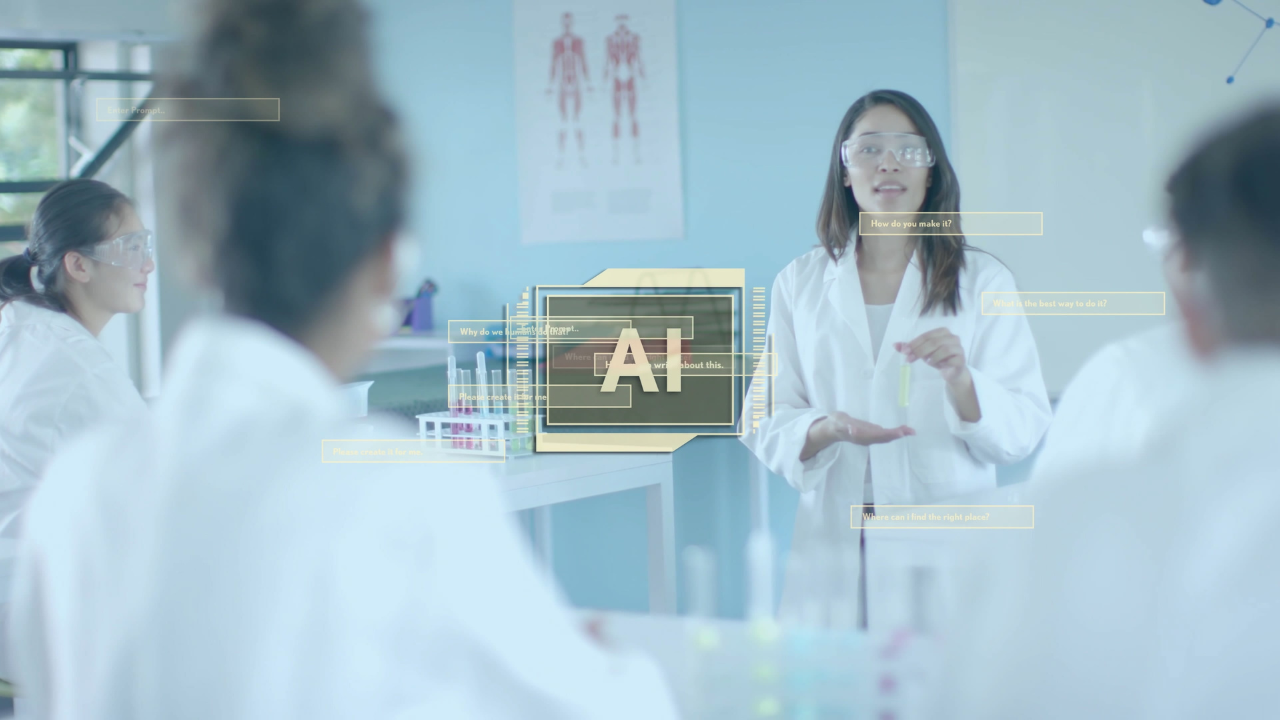
Artificial Intelligence (AI) in Education
© Stutterstock/ vectorfusionart

Artificial Intelligence (AI) in Education

Artificial Intelligence is one of the most impactful emerging technologies in education. It works by analyzing data to provide personalized learning experiences, automate grading, and offer intelligent tutoring. AI-powered systems adapt to each student’s learning pace and style, making education more efficient. Schools and online platforms are increasingly using AI to enhance teaching methods and improve learning outcomes.

Primary Use Case: Personalized learning and automated assessment
Industries Using It: Education, EdTech
Key Benefit: Tailored learning experiences
Limitations: Data privacy concerns and high implementation cost  

4
Virtual Reality (VR)
© Shutterstock/ Frame Stock Footage

Virtual Reality (VR)

Virtual Reality creates immersive, computer-generated environments that simulate real-world experiences. In education, VR allows students to explore historical sites, conduct virtual science experiments, or practice medical procedures in a safe space. It works using VR headsets and interactive software. This technology enhances engagement and helps students understand complex concepts more effectively.

Primary Use Case: Immersive learning experiences
Industries Using It: Education, healthcare training
Key Benefit: Hands-on learning without physical limitations
Limitations: Expensive equipment and limited accessibility  

5
Augmented Reality (AR)
© Shutterstock/ Gorodenkoff

Augmented Reality (AR)

Augmented Reality overlays digital information onto the real world using smartphones or AR devices. In classrooms, AR can bring textbooks to life with interactive 3D models and visualizations. It works by using camera-based apps that enhance physical environments with digital elements. AR is widely used to make abstract concepts more tangible and engaging for students.

Primary Use Case: Interactive and visual learning
Industries Using It: Education, gaming, retail
Key Benefit: Improved understanding through visualization
Limitations: Device dependency and app limitations

6
Cloud Computing
© Shutterstock/ Gorodenkoff

Cloud Computing

Cloud computing allows users to store and access data over the internet instead of local devices. In education, it enables students and teachers to access materials from anywhere at any time. Platforms like cloud storage and collaboration tools support file sharing, group work, and real-time editing. This technology is essential for modern, flexible learning environments.

Primary Use Case: Remote access to educational resources
Industries Using It: Education, IT, business
Key Benefit: Accessibility and collaboration
Limitations: Requires stable internet connection

7
Online Learning Platforms
© Stutterstock/ Summit Art Creations

Online Learning Platforms

Online learning platforms are websites and apps that provide courses, lectures, and certifications. They work by offering structured content, video lessons, quizzes, and assignments. Platforms like these have made education more flexible and accessible to learners worldwide. They are especially useful for skill development and lifelong learning.

Primary Use Case: Distance and self-paced learning
Industries Using It: Education, professional development
Key Benefit: Flexible learning anytime, anywhere
Limitations: Lack of in-person interaction  

8
Digital Whiteboards
© Shutterstock/ Zamrznuti tonovi

Digital Whiteboards

Digital whiteboards are interactive screens that replace traditional chalkboards. Teachers can write, draw, and display multimedia content during lessons. These tools often integrate with software, allowing content saving and sharing. They make classrooms more engaging and support collaborative learning among students.

Primary Use Case: Interactive classroom teaching
Industries Using It: Education
Key Benefit: Enhanced engagement and interactivity
Limitations: High setup cost

9
Gamification Tools
© Shutterstock/ myboys.me

Gamification Tools

Gamification involves using game-like elements such as points, badges, and leaderboards in learning environments. These tools work by motivating students to complete tasks and stay engaged through rewards and challenges. Gamification is widely used in educational apps and platforms to improve participation and retention.

Primary Use Case: Increasing student engagement
Industries Using It: Education, EdTech
Key Benefit: Boosts motivation and learning retention
Limitations: May distract from serious learning if overused  

10
Adaptive Learning Systems
© Shutterstock/ DC Studio

Adaptive Learning Systems

Adaptive learning systems use algorithms to adjust content based on student performance. These systems analyze responses and modify difficulty levels accordingly. This ensures that each student receives a customized learning experience. It is one of the key emerging technologies in personalized education.

Primary Use Case: Personalized learning paths
Industries Using It: Education, EdTech
Key Benefit: Improves learning efficiency
Limitations: Requires large data sets and advanced systems

11
Collaboration Tools
© Shutterstock/ GaudiLab

Collaboration Tools

Collaboration tools include apps and platforms that allow students and teachers to communicate and work together in real time. These tools support messaging, video conferencing, file sharing, and group projects. They are essential for remote and hybrid learning environments, enabling teamwork regardless of location.

Primary Use Case: Group communication and teamwork
Industries Using It: Education, business
Key Benefit: Enhances collaboration and communication
Limitations: Dependence on internet connectivity

12
Conclusion
© Wikipedia

Conclusion

Technology continues to redefine education, making it more accessible, interactive, and efficient. From AI-powered learning systems to immersive VR environments, the future of education is closely tied to innovation. These technologies not only enhance learning outcomes but also prepare students for a digitally driven world. As we move forward, staying updated with the latest tech trends and emerging technologies will be essential for educators and learners alike.


Comments (0)

Leave a Reply

No comments yet. Be the first to share your thoughts!