Technology Top Gadgets

The Gadgets That Actually Surprised Us in 2026

admin
4.0
April 03, 2026

The pace of innovation in consumer technology has rapidly accelerated, making 2026 a remarkable year for emerging technologies and practical gadgets that extend beyond mere novelty. From AI-powered wearables to next-generation smart home devices, these tools are significantly reshaping how people work, communicate, and manage their daily lives. Unlike earlier trends that were primarily driven by hype, the latest tech trends emphasize usability, efficiency, and real-world impact.  

1
Future of Technology
© Shutterstock/ Yuganov Konstantin

Future of Technology

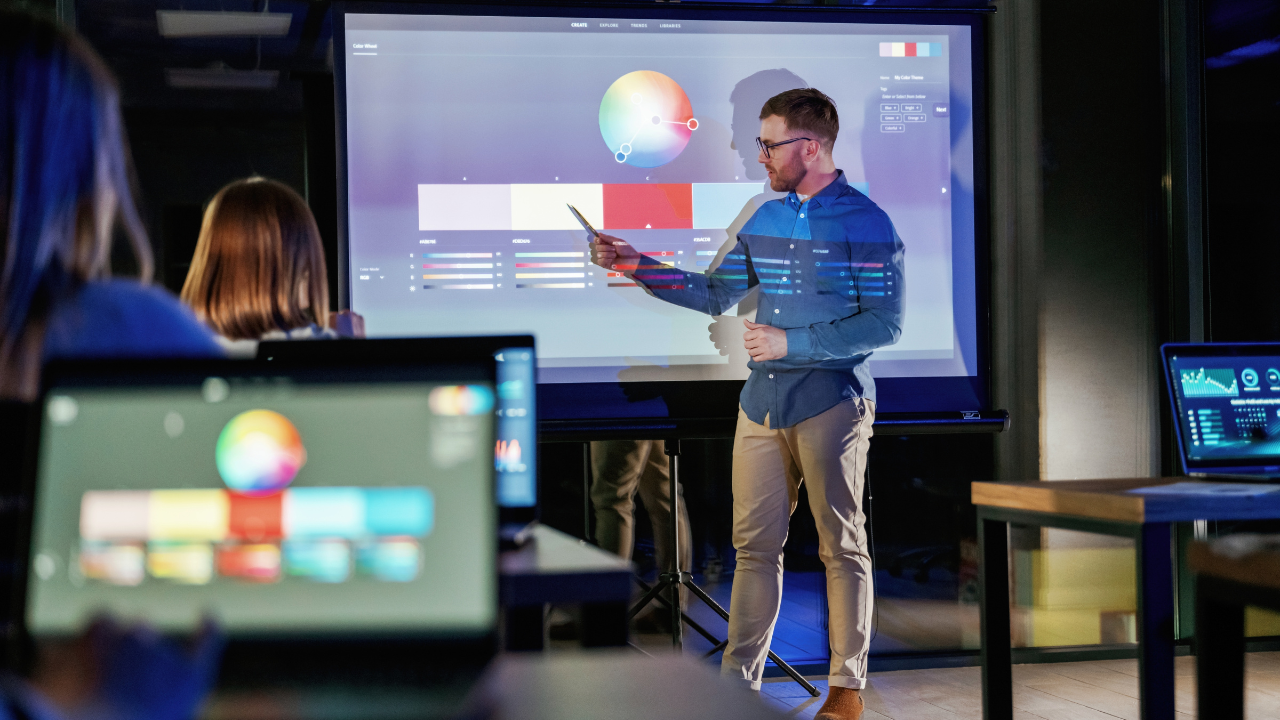
These incredible gadgets are not just remarkable, they’re addressing genuine challenges across industries like healthcare, education, and productivity. As we advance into the future of technology, these innovations represent a transformative shift towards smarter, more integrated ecosystems where devices work harmoniously with users, inspiring us to dream bigger and achieve more.

2
AI-Powered Smart Glasses
© Wikipedia

AI-Powered Smart Glasses

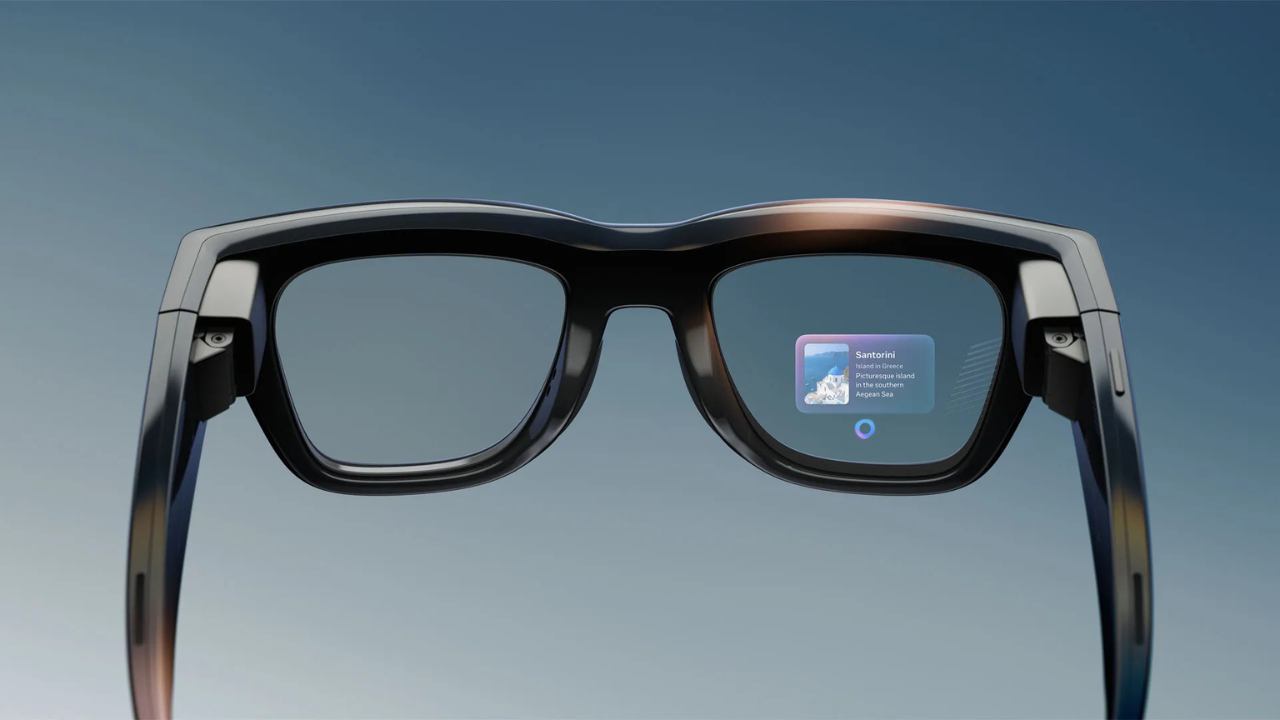
AI-powered smart glasses combine augmented reality (AR) with real-time AI assistance. They use built-in cameras, sensors, and voice AI to display information directly in the user’s field of vision. These glasses can translate languages, display navigation, and even provide contextual data about objects. The integration of lightweight hardware and advanced AI models has made them practical for everyday use.

Primary Use Case: Hands-free information access and real-time assistance
Industries Using It: Education, logistics, healthcare, field services
Key Benefit: Enhanced productivity with real-time data overlay
Limitations: Battery life, privacy concerns, and high cost  

3
Next-Gen Foldable Smartphones
© Wikipedia

Next-Gen Foldable Smartphones

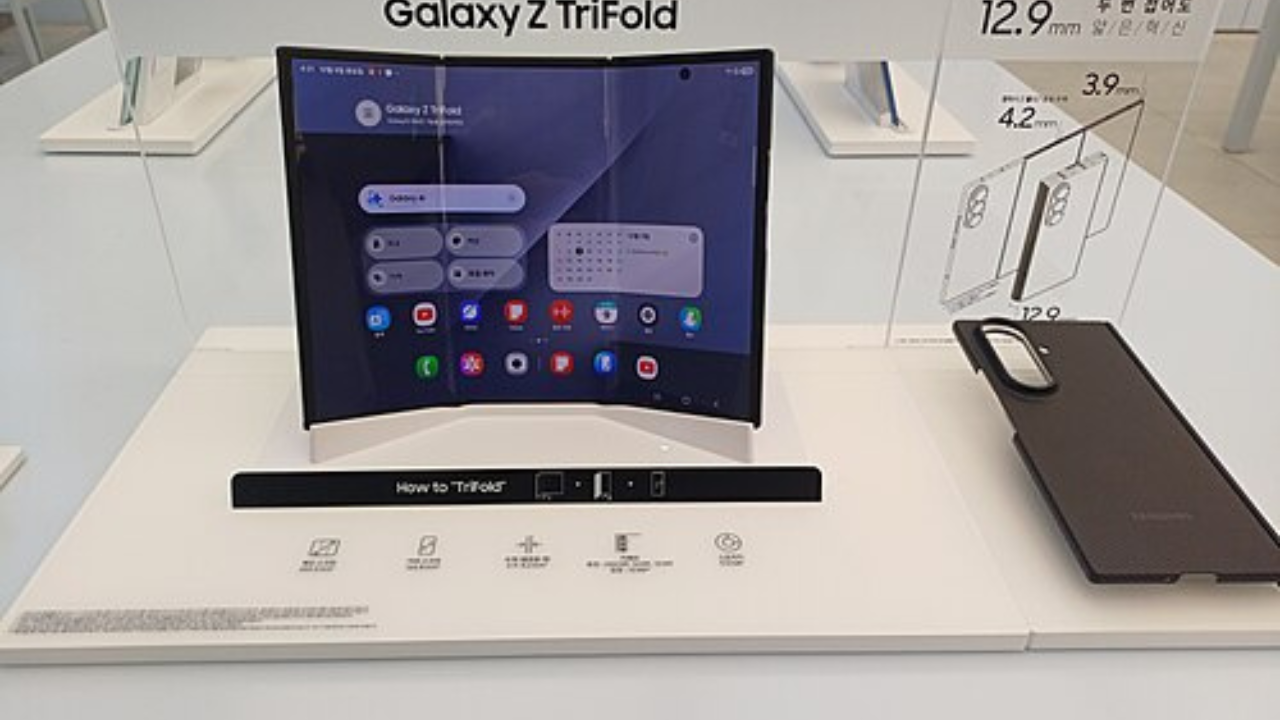
Foldable smartphones have matured significantly, offering improved durability and seamless folding displays. These devices use flexible OLED screens and reinforced hinges to switch between phone and tablet modes. The software is now optimized to adapt layouts dynamically, making multitasking smoother than ever.

Primary Use Case: Portable productivity and multitasking
Industries Using It: Business, entertainment, content creation
Key Benefit: Combines portability with large-screen functionality
Limitations: Fragility concerns and expensive pricing

4
AI Personal Assistant Devices
© Shutterstock/ Monkey Business Images

AI Personal Assistant Devices

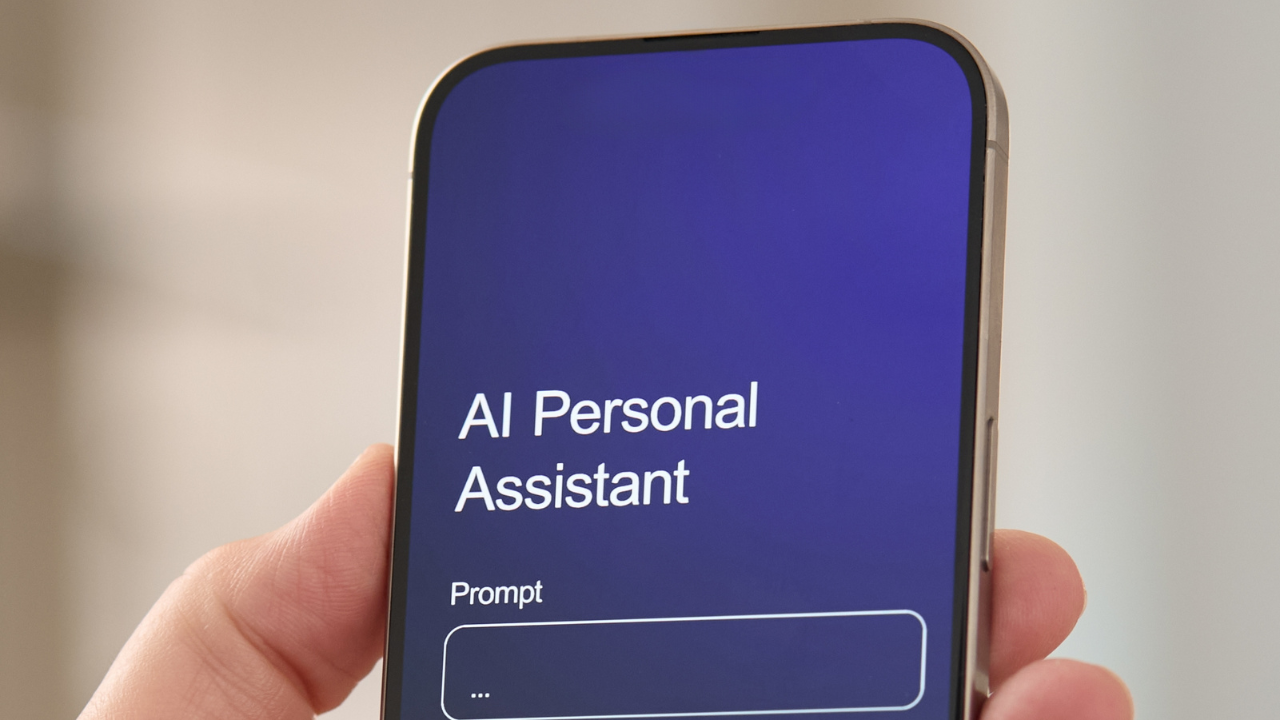
These dedicated AI gadgets go beyond smartphones by offering voice-based, always-on assistance. Powered by advanced natural language models, they can manage schedules, control smart homes, and provide real-time insights. Unlike earlier assistants, they are more context-aware and capable of learning user preferences over time.

Primary Use Case: Personal productivity and smart home control
Industries Using It: Consumer tech, home automation, business
Key Benefit: Seamless automation of daily tasks
Limitations: Dependence on internet connectivity and data privacy issues

5
 Smart Health Wearables
© Stutterstock/ khunkornStudio

Smart Health Wearables

Modern wearables have evolved into full-fledged health monitoring systems. These gadgets track heart rate variability, blood oxygen levels, stress indicators, and even early disease markers. Using advanced sensors and AI analytics, they provide predictive health insights rather than just tracking data.

Primary Use Case: Continuous health monitoring
Industries Using It: Healthcare, fitness, insurance
Key Benefit: Early detection of potential health issues
Limitations: Accuracy limitations and medical regulation concerns

6
Portable AI Translation Devices
© Shutterstock/ Garun .Prdt

Portable AI Translation Devices

Portable translation gadgets now offer near real-time speech and text translation across multiple languages. They use cloud-based AI models to process and interpret speech, enabling smooth communication between people speaking different languages.

Primary Use Case: Cross-language communication
Industries Using It: Travel, international business, education
Key Benefit: Breaks down language barriers instantly
Limitations: Requires internet and may struggle with dialects

7
Ultra-Compact Projectors
© Stutterstock/ Standret

Ultra-Compact Projectors

These small yet powerful projectors can fit in a pocket while delivering high-definition projection. They use laser or LED technology combined with compact optics. Many models now include built-in operating systems, eliminating the need for external devices.

Primary Use Case: Portable presentations and entertainment
Industries Using It: Education, business, home entertainment
Key Benefit: Large display capability in a compact device
Limitations: Limited brightness in well-lit environments  

8
 AI-Powered Noise-Canceling Headphones
© Stutterstock/ SeventyFour

AI-Powered Noise-Canceling Headphones

Noise-canceling headphones in 2026 use adaptive AI to analyze ambient sound and adjust noise cancellation in real time. They offer personalized sound profiles and can even filter specific sounds like voices or traffic.

Primary Use Case: Audio enhancement and noise reduction
Industries Using It: Music, remote work, travel
Key Benefit: Improved focus and immersive audio experience
Limitations: Battery dependency and premium pricing  

9
Smart Home Energy Managers
© Shutterstock/ Andrew Angelov

Smart Home Energy Managers

These devices monitor and optimize household energy consumption. By connecting to appliances and using AI, they reduce electricity usage and suggest energy-saving actions. They are becoming a key part of sustainable living.

Primary Use Case: Energy efficiency and cost reduction
Industries Using It: Residential, utilities, green tech
Key Benefit: Lower energy bills and environmental impact
Limitations: Initial setup complexity and compatibility issues

10
Advanced Gaming Handhelds
© Shutterstock/ New Africa

Advanced Gaming Handhelds

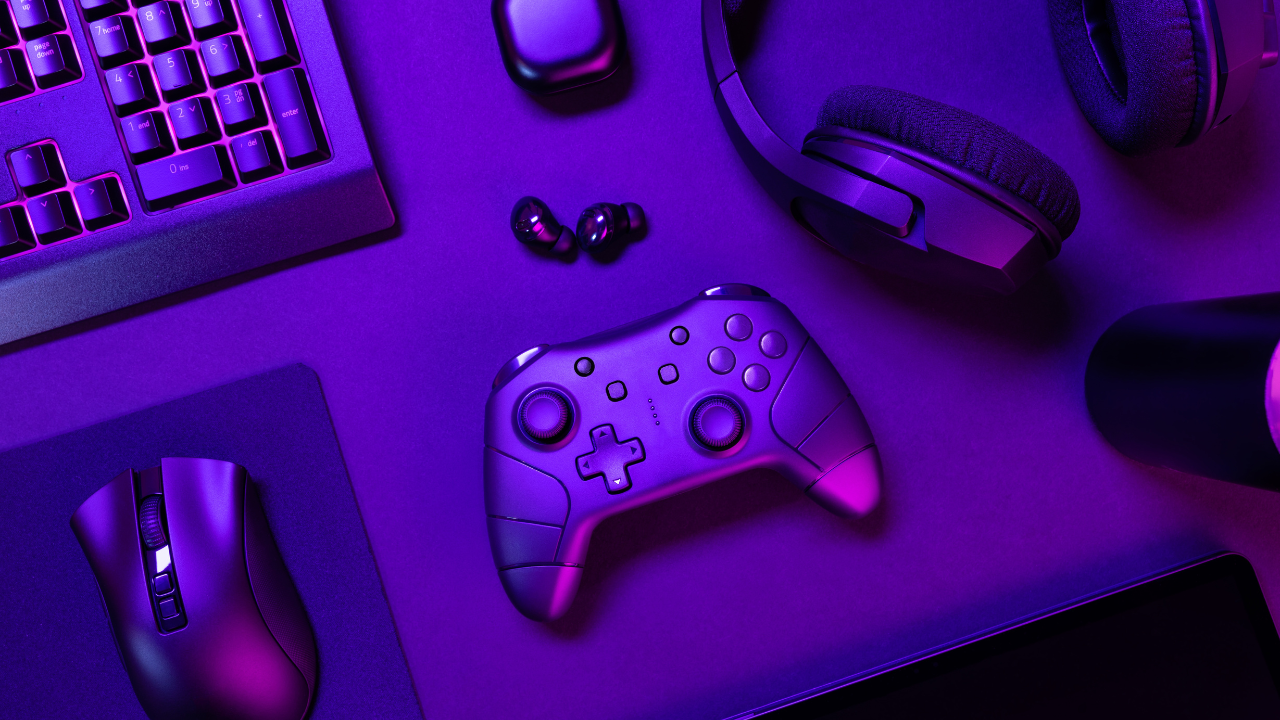
Modern handheld gaming devices now rival traditional consoles. With powerful processors, cloud gaming support, and high-refresh-rate displays, they provide console-quality gaming on the go.

Primary Use Case: Portable gaming
Industries Using It: Gaming and entertainment
Key Benefit: High-performance gaming in a compact device
Limitations: Limited battery life and heat management

11
 AI-Powered Camera Drones
© Shutterstock/ kckate16

AI-Powered Camera Drones

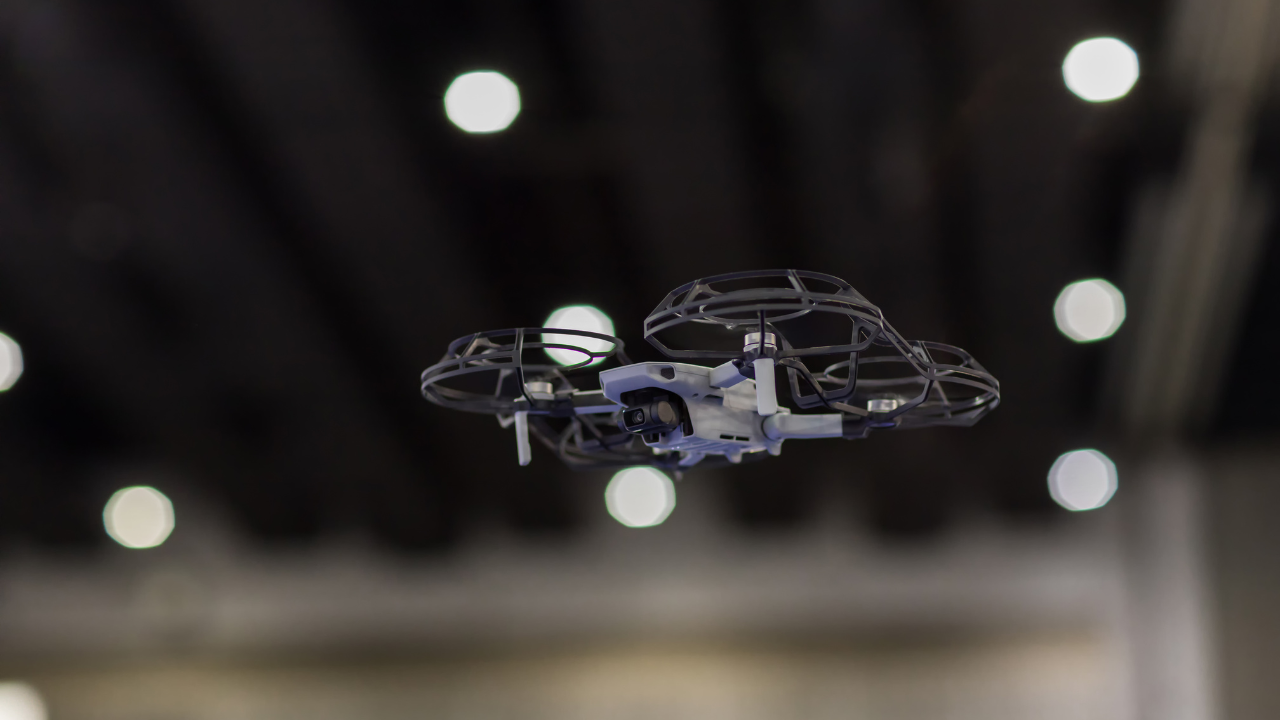
Camera drones equipped with AI can autonomously capture cinematic shots, track subjects, and avoid obstacles. They use computer vision to navigate complex environments without manual control.

Primary Use Case: Aerial photography and videography
Industries Using It: Film production, agriculture, surveillance
Key Benefit: Automated, high-quality aerial imaging
Limitations: Regulatory restrictions and battery constraints

12
Smart Rings
© Wikipedia

Smart Rings

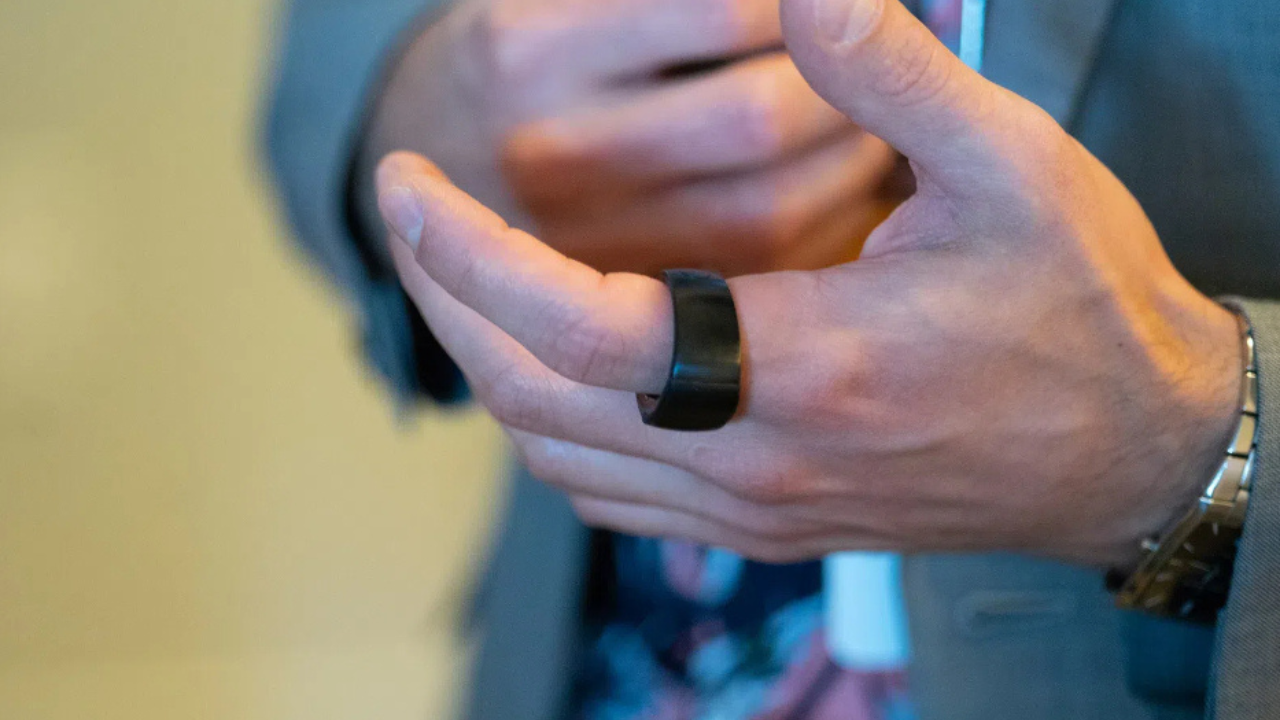
Smart rings are compact wearable devices that track health metrics and provide notifications. They offer a discreet alternative to smartwatches while maintaining essential features like sleep tracking and fitness monitoring.

Primary Use Case: Minimalist health tracking
Industries Using It: Fitness, healthcare, consumer electronics
Key Benefit: Lightweight and unobtrusive design
Limitations: Limited display and functionality compared to larger wearables

13
AI-Driven Kitchen Appliances
© Wikipedia

AI-Driven Kitchen Appliances

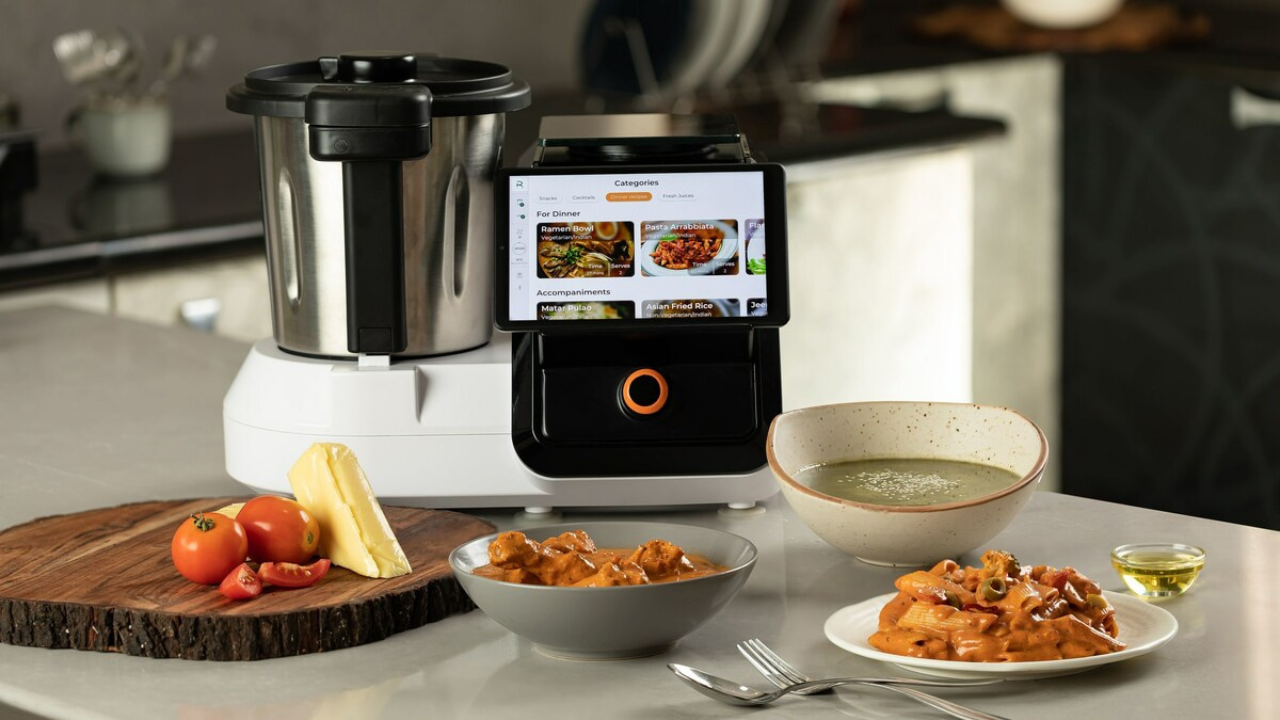
Smart kitchen gadgets now use AI to assist with cooking, from recipe suggestions to automated temperature control. Some devices can even recognize ingredients and adjust cooking settings accordingly.

Primary Use Case: Smart cooking assistance
Industries Using It: Food tech, home automation
Key Benefit: Simplifies cooking and improves consistency
Limitations: High cost and reliance on predefined recipes


Comments (0)

Leave a Reply

No comments yet. Be the first to share your thoughts!