Technology Artificial Intelligence

What is Artificial Intelligence (AI) in 2026?

Elliot Crane
4.3
April 03, 2026

Artificial Intelligence (AI) has become one of the most transformative technologies shaping the modern world in 2026. It refers to systems and machines designed to simulate human intelligence, learning from data, recognizing patterns, making decisions, and improving over time. From chatbots and recommendation systems to autonomous vehicles and advanced robotics, AI is deeply integrated into everyday life. Businesses rely on AI to enhance efficiency, reduce costs, and improve customer experiences, while individuals benefit from smarter apps and services. As part of the broader wave of emerging technologies, AI continues to drive innovation across industries, influencing the future of technology in ways that were once unimaginable.


1
 Artificial Intelligence Fundamentals
© Stutterstock/ FAMILY STOCK

Artificial Intelligence Fundamentals

Before diving into specific technologies, it is important to understand the foundation of AI itself. Artificial Intelligence is a broad field that combines computer science, mathematics, and data to create systems capable of performing tasks that typically require human intelligence. These tasks include reasoning, learning, problem-solving, and decision-making. AI systems work by processing large amounts of data, identifying patterns, and using algorithms to make predictions or decisions. This foundational layer powers all other AI technologies, making it essential in shaping the latest tech trends and enabling innovations across industries.

2
 Machine Learning (ML)
© Shutterstock/ PeopleImages

Machine Learning (ML)

Machine Learning is a core subset of AI that enables systems to learn from data without being explicitly programmed. It works by feeding algorithms large amounts of data, allowing them to identify patterns and make predictions. Over time, these systems improve their accuracy as they process more information. Machine learning is widely used in recommendation engines, fraud detection, and predictive analytics. It is one of the most important latest tech trends driving automation and intelligent decision-making across industries.

  • Primary Use Case: Data-driven predictions and automation

  • Industries Using It: Finance, healthcare, e-commerce

  • Key Benefit: Improves accuracy over time with more data

  • Limitations: Requires large datasets and can be biased if data is flawed

3
 Deep Learning
© Shutterstock/DC Studio

Deep Learning

Deep Learning is a more advanced form of machine learning that uses neural networks modeled after the human brain. These networks consist of multiple layers that process data in complex ways, allowing the system to recognize images, speech, and even emotions. It powers technologies like facial recognition and voice assistants. Deep learning is at the forefront of emerging technologies due to its ability to handle unstructured data and perform highly complex tasks.

  • Primary Use Case: Image and speech recognition

  • Industries Using It: Automotive, healthcare, security

  • Key Benefit: Handles complex, unstructured data efficiently

  • Limitations: Requires high computational power and large datasets

4
Natural Language Processing (NLP)
© Stutterstock/FAMILY STOCK

Natural Language Processing (NLP)

Natural Language Processing enables machines to understand, interpret, and respond to human language. It combines linguistics and AI to process text and speech. NLP powers chatbots, translation tools, and voice assistants, making communication between humans and machines seamless. It plays a vital role in improving user interaction and is widely used in customer service automation and content analysis.

  • Primary Use Case: Language understanding and generation

  • Industries Using It: Customer service, education, media

  • Key Benefit: Enhances human-computer interaction

  • Limitations: Struggles with context, slang, and ambiguity

5
Computer Vision
© Shutterstock/ Sergey Nivens

Computer Vision

Computer Vision allows machines to interpret and understand visual information from the world. It works by analyzing images and videos using algorithms that detect patterns, objects, and movements. This technology is used in facial recognition, autonomous driving, and medical imaging. As part of the future of technology, computer vision continues to improve accuracy and efficiency in visual data processing.

  • Primary Use Case: Image and video analysis

  • Industries Using It: Healthcare, automotive, security

  • Key Benefit: Automates visual inspection and recognition

  • Limitations: Can be affected by poor image quality or lighting

6
Generative AI
© Stutterstock/ Summit Art Creations

Generative AI

Generative AI focuses on creating new content such as text, images, music, and videos. It uses models trained on large datasets to generate outputs that resemble human-created content. This technology powers tools used for content creation, design, and even coding. It is one of the most influential emerging technologies in 2026, transforming creative industries and productivity tools.

  • Primary Use Case: Content generation

  • Industries Using It: Marketing, entertainment, software development

  • Key Benefit: Speeds up creative processes

Limitations: Risk of generating inaccurate or biased content  

7
AI in Automation and Robotics
© Shutterstock/ IM Imagery

AI in Automation and Robotics

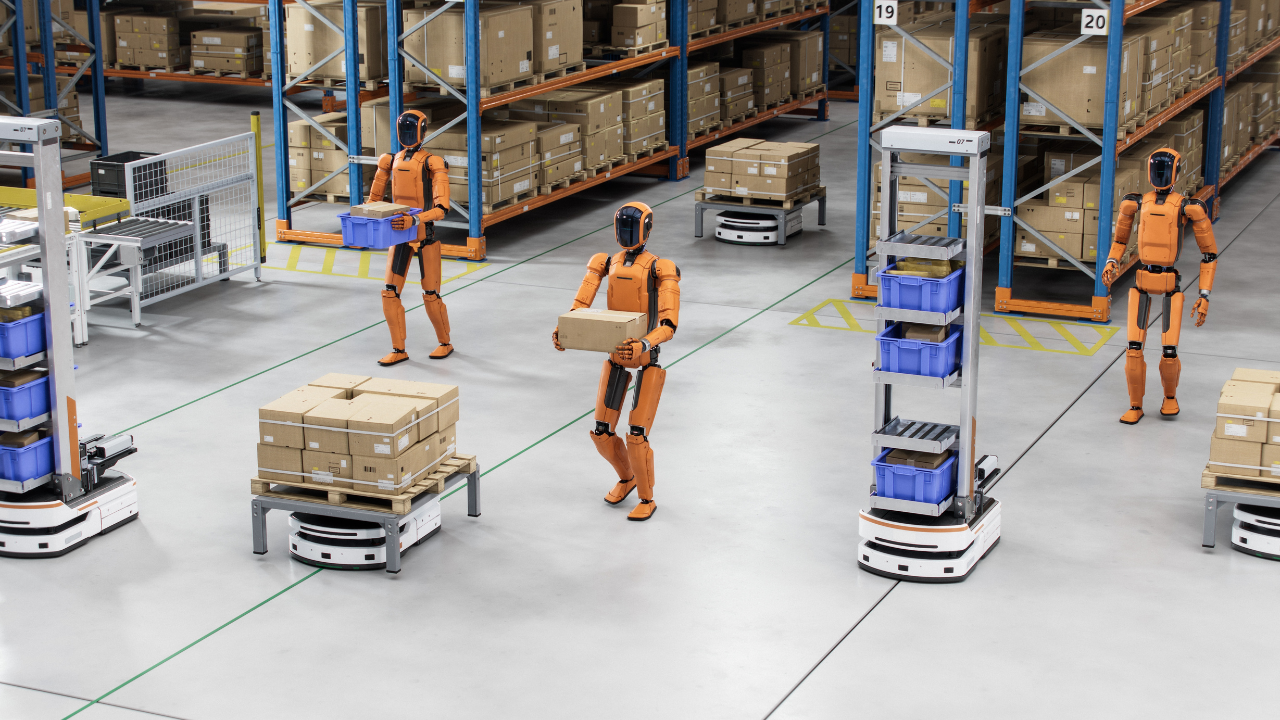
AI-powered automation and robotics combine intelligent systems with machines to perform tasks without human intervention. These systems can adapt to environments, learn from experience, and operate efficiently in manufacturing, logistics, and service industries. Robotics integrated with AI is driving industrial transformation and is a key component of modern automation strategies.

  • Primary Use Case: Automated physical tasks

  • Industries Using It: Manufacturing, logistics, healthcare

  • Key Benefit: Increases efficiency and reduces human error

  • Limitations: High setup costs and potential job displacement

8
Edge AI
© Wikipedia

Edge AI

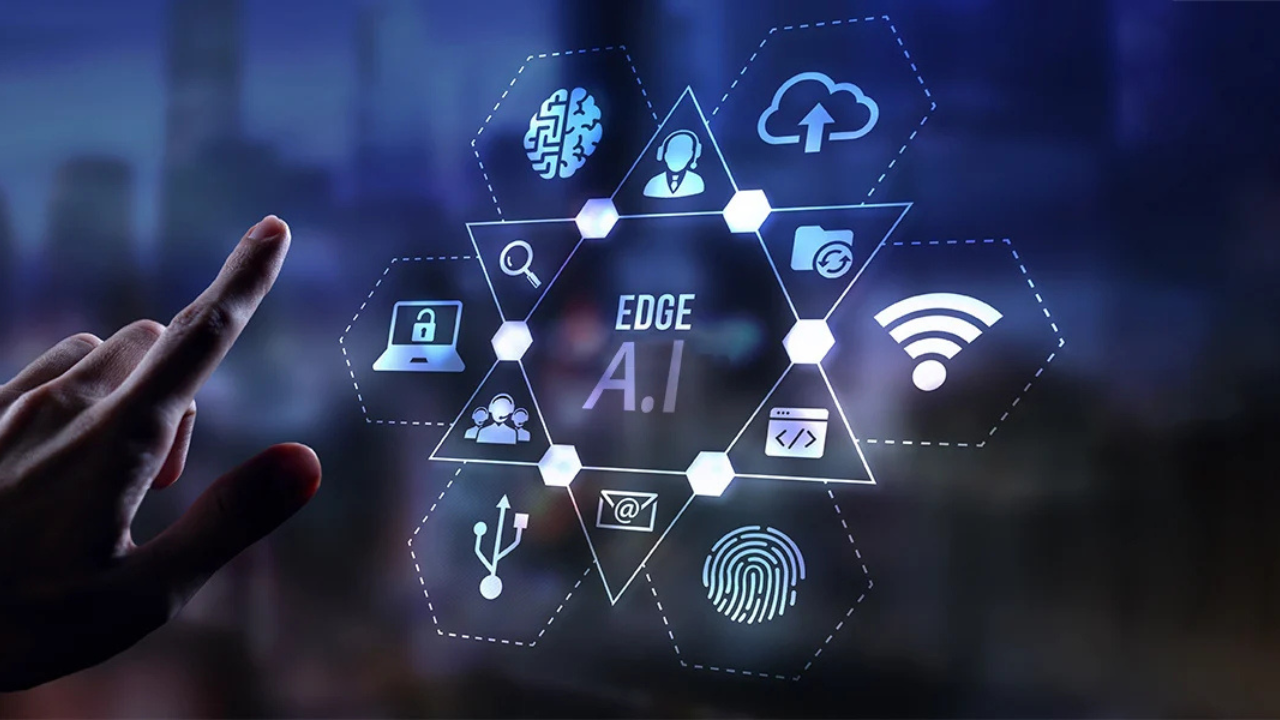
Edge AI refers to running AI algorithms directly on devices instead of relying on cloud computing. This allows data to be processed locally, reducing latency and improving privacy. It is commonly used in smart devices, IoT systems, and autonomous vehicles. Edge AI is gaining importance as demand for real-time processing grows in the latest tech trends.

  • Primary Use Case: Real-time data processing on devices

  • Industries Using It: IoT, automotive, smart home tech

  • Key Benefit: Faster response times and better privacy

  • Limitations: Limited processing power compared to cloud systems

9
AI Ethics and Responsible AI
© Stutterstock/ Summit Art Creations

AI Ethics and Responsible AI

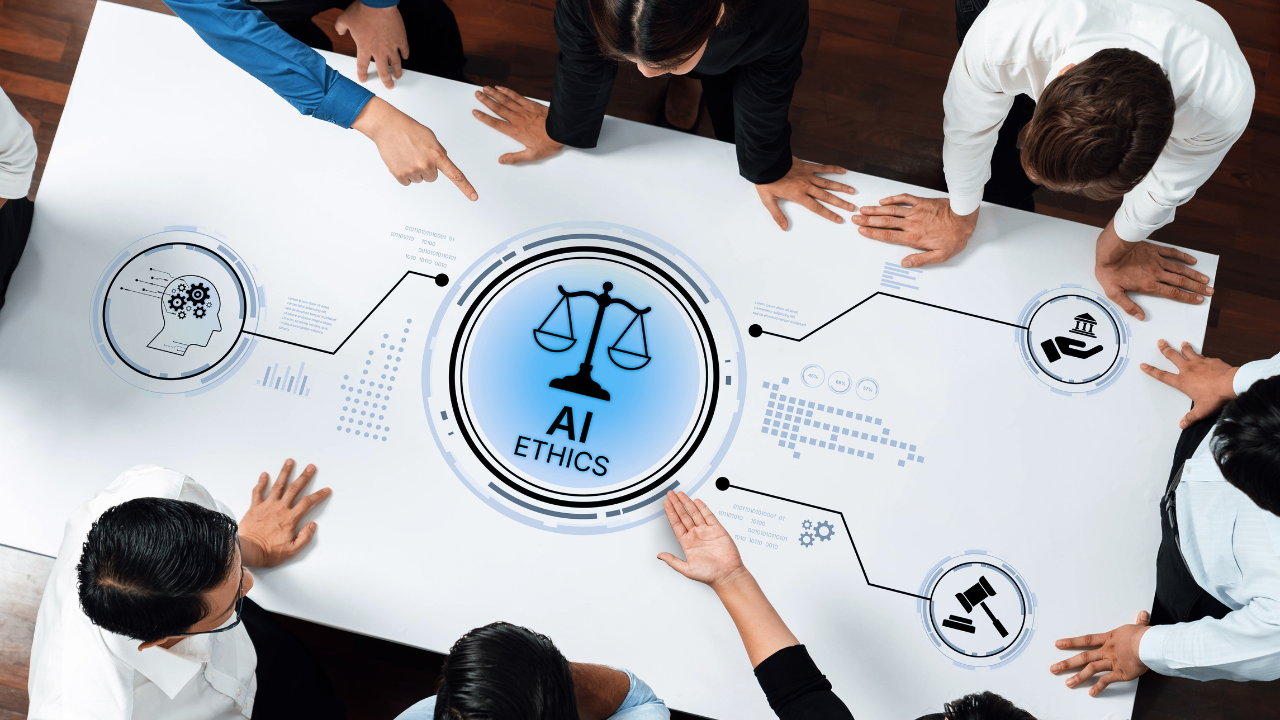
As AI becomes more powerful, ethical considerations are increasingly important. Responsible AI focuses on fairness, transparency, accountability, and minimizing bias in AI systems. It ensures that AI technologies are developed and used in a way that benefits society without causing harm. Organizations are now investing in ethical frameworks to guide AI development as part of the future of technology.

  • Primary Use Case: Ensuring ethical AI development

  • Industries Using It: Government, tech companies, research

  • Key Benefit: Builds trust and reduces risks

  • Limitations: Difficult to enforce universally and measure consistently

10
Conclusion
© Shutterstock/ Garun .Prdt

Conclusion

Artificial Intelligence in 2026 is no longer just an emerging concept, it is a foundational technology shaping industries and everyday life. From machine learning and deep learning to generative AI and edge computing, these innovations are driving the future of technology forward. While AI offers immense benefits such as efficiency, automation, and improved decision-making, it also brings challenges like ethical concerns and technical limitations. Understanding these technologies helps businesses and individuals adapt to the rapidly evolving digital landscape and make informed decisions in an AI-driven world.


Comments (0)

Leave a Reply

No comments yet. Be the first to share your thoughts!